


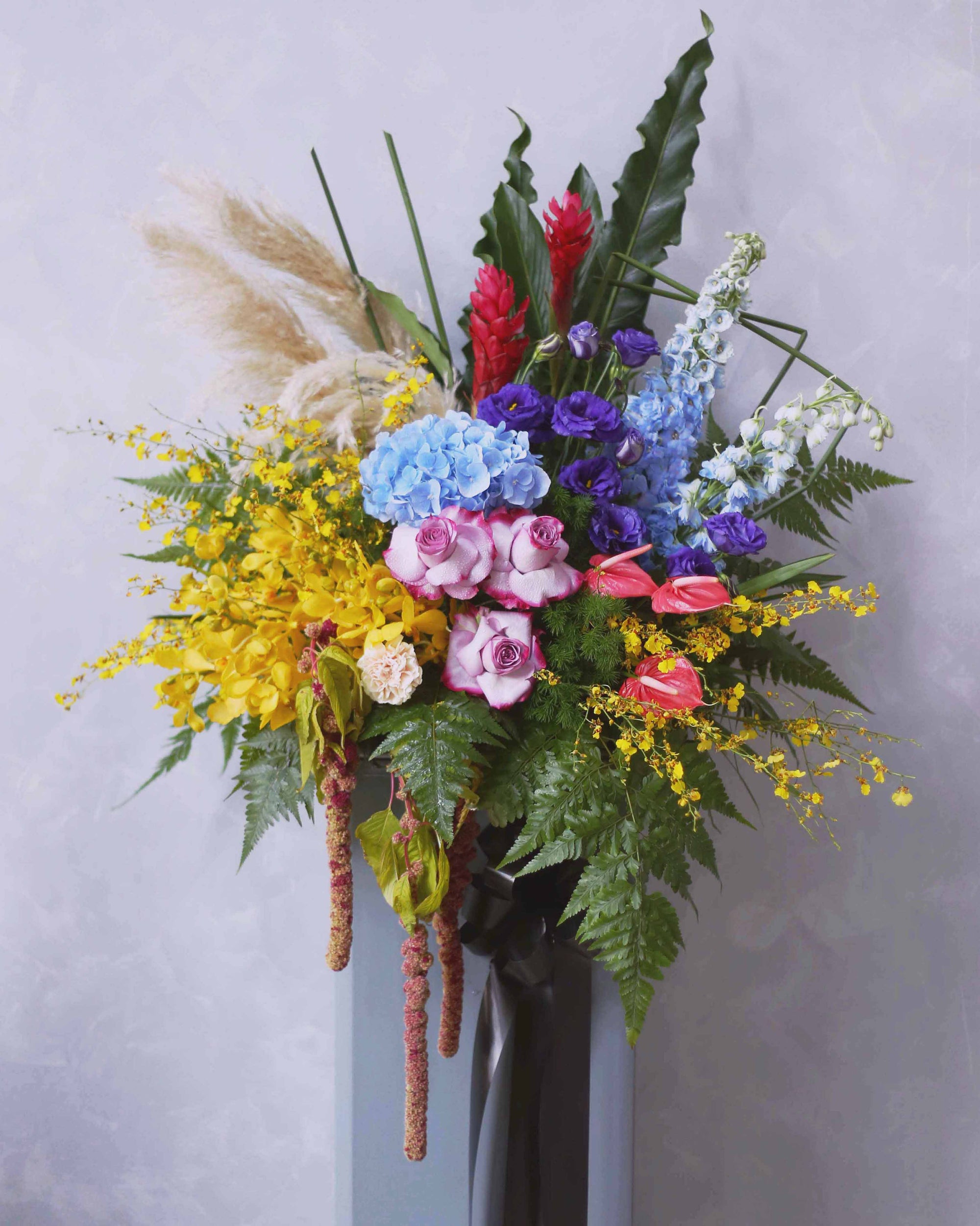


Finding the perfect bouquet for someone with a sensitive nose can feel like a bit of a gamble. You want to surprise them with something stunning, but you definitely don't want to be the reason they're reaching for the tissues all afternoon.
The secret lies in choosing the right varieties. Most reactions are triggered by wind-pollinated plants that release fine, dusty particles into the air. By sticking to insect-pollinated or "perfect" flowers, you can keep the home bright and sniffle-free.
If you've been wondering what flowers are best for allergies, you’ll be happy to know there are plenty of gorgeous, low-pollen options that look amazing in any vase.
1. Roses

Classic for a reason, roses are fantastic hypoallergenic flowers. Their pollen is quite heavy and tends to stay trapped deep within the petals. To be extra safe, choose varieties with a lighter scent, as strong fragrances can sometimes trigger non-allergic sensitivities.
2. Orchids

Orchids are a staple in Singaporean homes, and luckily, they’re very allergy-friendly. Their pollen is sticky and contained in small packets, so it rarely becomes airborne.
3. Tulips
These elegant blooms have a very low pollen count. Tulips are a great choice for birthdays or to brighten a dining table without causing itchy eyes.
4. Hydrangeas
With their puffy, cloud-like heads, hydrangeas add incredible volume to a bouquet. Since hydrangeas are pollinated by insects, their pollen is unlikely to bother your nose.
5. Peonies
Peonies have tightly packed, ruffled petals that act as a natural trap for pollen. They’re romantic, lush, and perfectly safe for most sensitive recipients.
6. Carnations
Carnations are wonderful because they don't have a visible, open centre where pollen can escape. Their longevity also makes them a practical choice for a long-lasting vase display.
7. Snapdragons
The unique shape of a snapdragon keeps its pollen tucked away inside a little "pouch." This makes it very difficult for the particles to fly around your living room.
8. Irises
Irises have a clever design where the pollen is hidden under a fold of the petal. They provide a striking architectural look to any arrangement without the risk of sneezing.
9. Daffodils

While they are often associated with spring, these cheerful blooms are quite safe. Just ensure you aren't getting too close to the very centre if you're particularly sensitive.
10. Begonias
Begonias are free-flowering and shed very little pollen, making them a reliable choice for those who love having plants indoors.
11. Geraniums
While they come in vibrant colours, their pollen is far too heavy to be carried by the wind. They are much safer than common garden weeds or grasses.
12. Camellias

Like roses, camellias have a structure that keeps their pollen contained within the flower head rather than dispersing it.
13. Gerberas
Modern hybrid Gerberas have been specifically bred to have lower pollen counts. They’re the perfect "happy" flower for someone recovering from an illness.
14. Hostas
Hostas are often grown for their foliage, but their flowers are hypoallergenic and typically have a subtle scent.
15. Petunias
These are popular for their bright colours and are known to be low-irritant, making them a safe bet for balcony pots or mixed bouquets.
16. Clematis
The beautiful climbing clematis has minimal pollen, allowing you to enjoy its star-shaped beauty without reaching for the antihistamines.
17. Bougainvillea

Technically, the "flowers" we see are coloured leaves called bracts. The actual flowers are tiny and produce almost no pollen, making them a local favourite that's very easy on the sinuses.
How To Care For Hypoallergenic Flowers In A Vase
Once you’ve picked out the right blooms, keeping them fresh is the next step.
For fresh bouquets, always trim the stems at a 45-degree angle before placing them in a clean vase. This helps them drink up more water. Changing the water daily is essential in Singapore's humid climate to prevent bacterial growth.
If you prefer something that lasts even longer, preserved flowers are a fantastic alternative. Since these have undergone a preservation process, they don't release any pollen. Just keep them away from direct sunlight and moisture, and they’ll stay looking perfect for months on end.
Conclusion About The Best Flowers For Allergies
When you're shopping for a gift, look for arrangements that use plenty of foliage like eucalyptus or ferns. These add texture and greenery without the pollen risk. If you’re unsure about a specific flower, you can always ask your florist to remove the stamens (the pollen-bearing parts) from flowers like lilies before delivery.
Ready to send a thoughtful gift that won’t cause a sniffle? You can rely on Windflower Florist for on-time same-day flower delivery in Singapore; otherwise, your order is free.
Love Roses? Browse Our Collection
From classic red roses to rare garden varieties — explore our curated rose bouquets with free same-day delivery across Singapore.
Browse Rose Bouquets →Frequently Asked Questions About The Best Flowers For Allergies
Are Lilies Safe For People With Allergies?
Lilies can be challenging due to their prominent stamens. However, if you or your florist removes the pollen-covered anthers as soon as the flower opens, they can be much safer. Alternatively, choosing pollen-free hybrid varieties is a better option for those with severe reactions.
Do Preserved Flowers Cause Allergies?
No, preserved flowers are generally considered excellent for allergy sufferers. The preservation process typically removes pollen and stabilises plant matter, so it doesn't release the typical triggers found in fresh blooms.
Can I Still Enjoy Scented Flowers If I Have Hay Fever?
Yes, but it depends on the source of your sensitivity. Some people react to the pollen, while others are sensitive to strong fragrances. If it's just a pollen allergy, low-pollen-scented flowers, such as certain roses, are fine. If you get headaches from smells, stick to unscented options like orchids.
Why Are Sunflowers Bad For Allergy Sufferers?
Traditional sunflowers have large, open faces that release a lot of dusty pollen. However, there are "pollen-less" sunflower varieties available nowadays that are specifically grown for the floral industry to be allergy-friendly.
Is It Better To Use A Glass Vase For Hypoallergenic Arrangements?
Glass or ceramic vases are ideal because they are easy to clean thoroughly. Keeping the water crystal clear and the vase free of bacterial buildup helps ensure the environment stays as clean and irritant-free as possible.


