


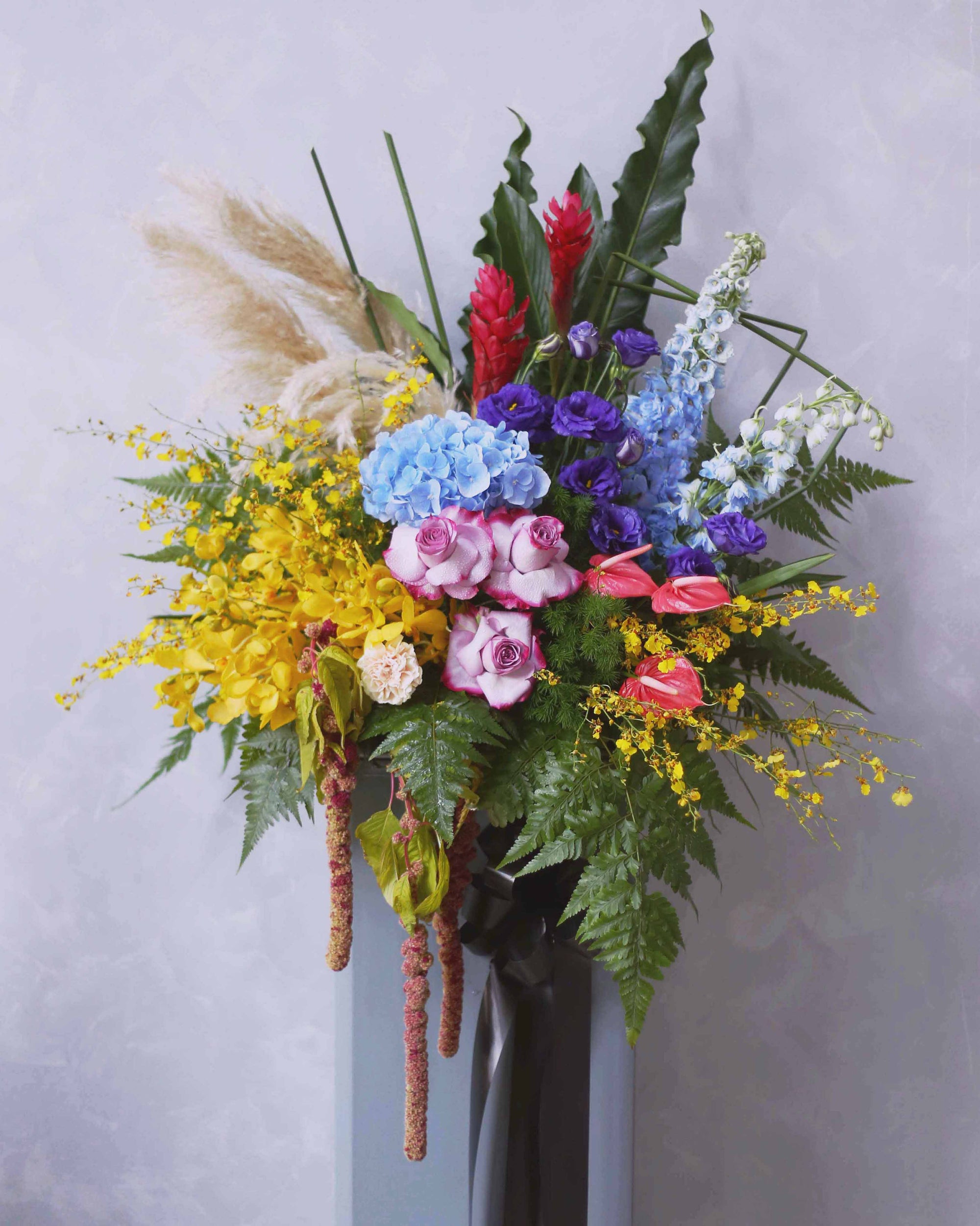


The bird of paradise plant is a stunning addition to any garden or home, with its vibrant, bird-like flowers and tropical leaves. However, many gardeners find it difficult to choose the right variety. It's also worth noting that there are flowers that look like the bird of paradise.
If you've been confused by the variety of options or unsure how to care for these unique plants, this guide will help. We’ll break down the different types of bird of paradise plants and their unique characteristics, so you can find the perfect fit for your space.
By the end of this article, you’ll be equipped with all the knowledge you need to choose and care for your ideal bird of paradise plant, ensuring it flourishes beautifully.
Strelitzia Species

The Strelitzia genus includes some of the most visually striking plants, known for their large, vibrant flowers that resemble birds in flight. Native to tropical regions, these plants thrive in warm climates and add a dramatic touch to any garden.
1. Strelitzia reginae (Bird of Paradise)
The Bird of Paradise is the most well-known variety, famous for its vibrant orange and blue flowers. It’s a favorite among florists, often used in exotic bouquets.
Height: 3–6 feet
Blooming Period: Year-round, with peak bloom in winter and spring.
2. Strelitzia nicolai (Giant Bird of Paradise)
The Giant Bird of Paradise is much taller and perfect for creating a statement in large landscapes. It features huge, banana-like leaves and dramatic white and blue flowers.
Height: 20–30 feet
Blooming Period: Year-round, with peaks in spring and summer.
3. Strelitzia alba (White Bird of Paradise)
The White Bird of Paradise is known for its stunning white flowers and large, lush leaves. It’s ideal for larger gardens and can create a beautiful focal point in any outdoor space.
Height: 12–15 feet
Blooming Period: July–December.
4. Strelitzia juncea (Narrow-leaved Bird of Paradise)
This variety stands out with its reed-like leaves and is perfect for smaller spaces. It’s easy to grow both indoors and outdoors, making it versatile for different environments.
Height: 4–6 feet
Blooming Period: Late fall to late spring.
5. Strelitzia caudata (Wild Banana or Mountain Strelitzia)
Strelitzia caudata, also known as the Wild Banana or Mountain Strelitzia, is a stunning bird of paradise with delicate, white flowers tinged with purple. This variety is native to the mountains of southern Africa and thrives in well-drained soil and full sun.
Height: Up to 6 feet
Blooming Period: Early spring
However, this plant is toxic to humans and animals, so it is not recommended for households with small children or pets.
Caesalpinia Varieties

The Caesalpinia genus offers a different take on the bird of paradise, with plants better suited for dry, desert-like conditions. These varieties have smaller, but equally striking flowers, adding a touch of exotic beauty to gardens.
6. Caesalpinia gilliesii (Yellow Bird of Paradise)
The Yellow Bird of Paradise is known for its bright, yellow flowers that add ornamental value to desert gardens. This variety is drought-tolerant and thrives in full sun.
Height: 7–10 feet
Blooming Period: Summer to fall.
7. Caesalpinia pulcherrima (Red Bird of Paradise)
With its fiery red flowers, the Red Bird of Paradise is a fast-growing shrub that brings color to any garden. It's great for tropical and desert gardens, offering both beauty and quick growth.
Height: 10–20 feet
Blooming Period: Year-round in warm climates.
8. Caesalpinia mexicana (Mexican Bird of Paradise)
The Mexican Bird of Paradise is a heat-loving shrub with bright yellow, fragrant flowers that attract hummingbirds and butterflies. It’s ideal for sunny gardens and adds a tropical flair.
Height: 10–12 feet
Blooming Period: Summer to fall.
Strelitzia vs. Caesalpinia: Which Bird of Paradise Is Right for You?
Understanding the key differences between the Strelitzia and Caesalpinia genera can help you choose the perfect plant for your garden or home.
|
Feature |
Strelitzia |
Caesalpinia |
|
Flowers |
Larger, dramatic blooms resembling birds in flight |
Smaller, vibrant flowers in yellow, red, or orange |
|
Ideal Environment |
Tropical and subtropical climates |
Dry, desert-like conditions (xeriscaping) |
|
Uses |
Landscaping, houseplants |
Xeriscaping, desert gardens |
|
Care |
Ample sunlight, regular watering, well-draining soil |
Full sun, low to moderate watering, well-drained soil |
How to Care for Bird of Paradise Plants

Caring for bird of paradise plants requires attention to sunlight, watering, and soil. Whether you have Strelitzia or Caesalpinia, each variety has unique care needs to ensure it thrives.
General Care Tips
Sunlight:
Both Strelitzia and Caesalpinia thrive in full sun, although Strelitzia can tolerate partial shade. Caesalpinia needs as much sun as possible, especially if growing indoors.
Watering:
Water when the soil feels dry to the touch. For Strelitzia, keep the soil moist but well-drained. Caesalpinia is more drought-tolerant, so it needs less frequent watering.
Soil:
Both require well-draining soil. Use a loamy mix for Strelitzia and sandy, well-drained soil for Caesalpinia.
Challenges:
- Strelitzia can be slow to bloom, especially in colder climates or poor light conditions.
- Both types can be susceptible to spider mites and aphids. Regularly check leaves and stems for pests.
Caring for Strelitzia Varieties
Strelitzia reginae:
Keep this variety in a bright spot with indirect sunlight. Water regularly, but avoid overwatering. It prefers a slightly acidic, well-draining soil mix.
Strelitzia nicolai:
As a larger variety, it needs plenty of space and full sun. Water when the soil is dry to a few inches deep. Use rich, well-drained soil to help it grow strong.
Other Strelitzia Varieties:
Most Strelitzia species need regular pruning to remove dead leaves and encourage healthy growth. They can be sensitive to low temperatures, so bring them indoors during winter in colder climates.
Caring for Caesalpinia Varieties
Caesalpinia gilliesii (Yellow Bird of Paradise):
This variety is drought-tolerant, so allow the soil to dry between watering. It thrives in full sun and can handle poor, rocky soil.
Caesalpinia pulcherrima (Red Bird of Paradise):
Like Caesalpinia gilliesii, it needs full sun and well-drained soil. Water sparingly but deeply, especially during the hot summer months.
Other Caesalpinia Varieties:
Most Caesalpinia species are very heat-tolerant and require little water once established. They can be prone to root rot if overwatered, so ensure proper drainage.
Conclusion About Types Of Bird Of Paradise
Bird of paradise plants come in a variety of stunning shapes and colors, from the vibrant Strelitzia reginae to the unique Caesalpinia species, each offering its own beauty.
When choosing, think about your space. Strelitzia varieties thrive indoors and in tropical gardens, while Caesalpinia varieties are perfect for desert landscapes or xeriscaping. Each type has its specific care needs to match your environment.
Ready to bring some tropical beauty into your home? Visit Windflower Florist for a selection of bird of paradise plants and enjoy guaranteed on-time delivery.
Contact us today and let our beautiful blooms be delivered right at your doorstep.
Frequently Asked Questions About Types Of Bird Of Paradise
What Are the Different Types of Bird of Paradise?
The main types of bird of paradise include Strelitzia reginae, Strelitzia nicolai, Strelitzia alba, Strelitzia juncea, and various species from the Caesalpinia genus. Each variety has unique characteristics, such as flower color, size, and preferred climate.
How Long Do Bird of Paradise Plants Live?
Bird of paradise plants can live anywhere from 50 to 150 years, depending on the species and care they receive. They thrive in warm, tropical environments and can be a long-lasting addition to your garden or home.
Can Bird of Paradise Be Grown Indoors?
Yes, most Strelitzia species, particularly Strelitzia reginae and Strelitzia nicolai, can thrive indoors with proper care. They require bright, indirect light and occasional watering to stay healthy.
Do Bird of Paradise Plants Need Direct Sunlight?
Bird of paradise plants thrive in full sun, but they can tolerate partial shade, especially Strelitzia varieties. More sunlight typically encourages better flowering and healthier growth.
Are Bird of Paradise Plants Toxic?
Yes, bird of paradise plants are toxic to both humans and pets, so caution is advised if you have small children or animals. Keep them out of reach or choose a safer alternative for homes with pets.
