


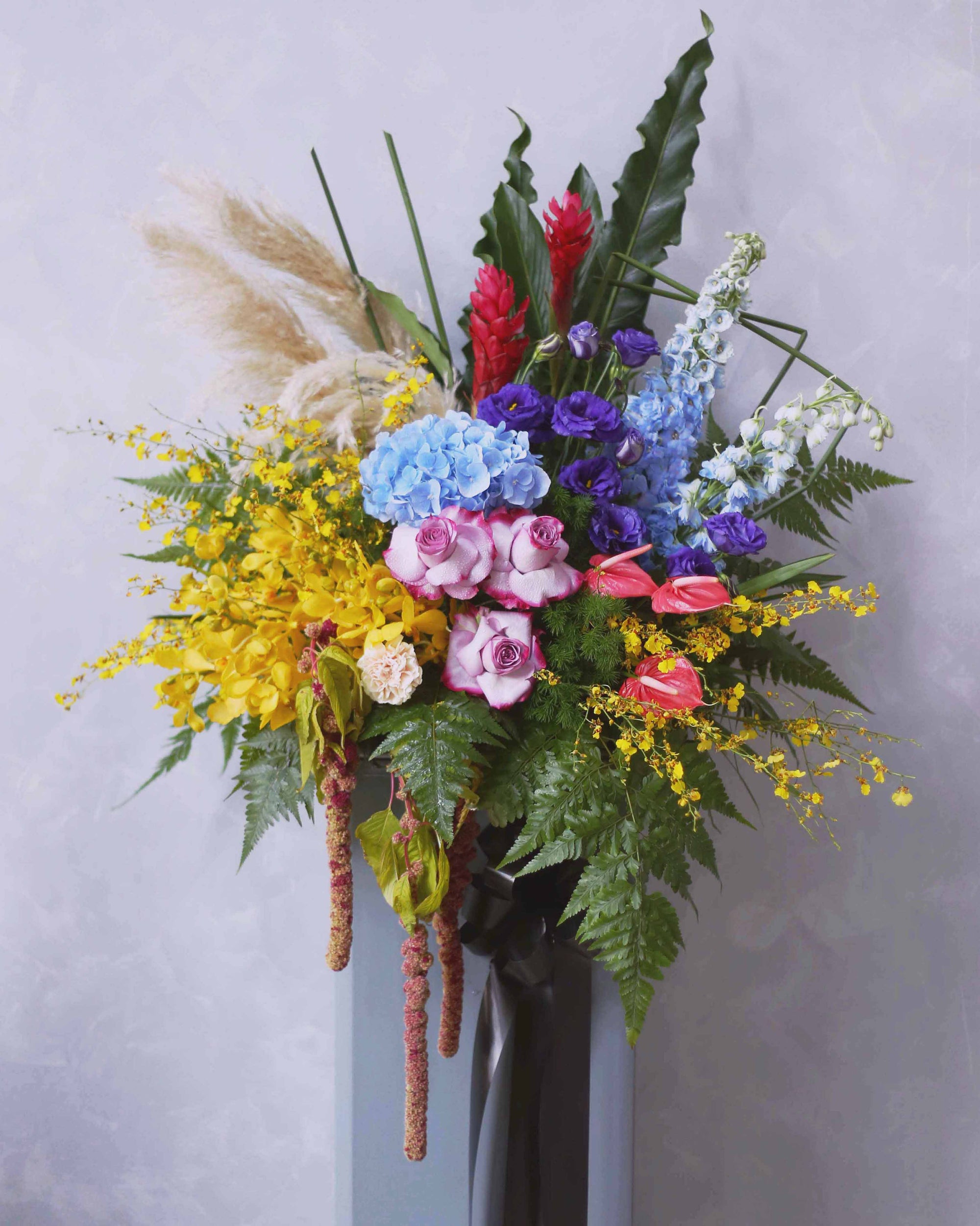


Welcome to the colourful world of birth month flowers! Just like your zodiac sign, these blooms can reveal a little something about your personality. Each month has a flower that not only celebrates your birthday but also carries unique meanings that might just resonate with who you are.
So, what are the different birth flowers by month? Join us as we explore the meanings behind these beautiful birth month flowers. You might just find that your flower reflects your personality in ways you never expected!
What Are The Birth Flowers?
Birth flowers are a collection of flowers that represent each month of the year. The tradition of associating a specific flower with a month dates back to ancient Roman times.
It's a wonderful way to personalise a gift or to simply learn more about the symbolism connected to your birth month. Just as birthstones are believed to hold certain qualities, birth flowers are thought to be symbolic of the characteristics of people born in that particular month.
Ready to find out your month's birth flower?
1. January - Carnations, Snowdrops, And Camellia
Carnation – Inspired by Roman gods, carnations evoke deep love and admiration. These blooms symbolise fresh starts and heartfelt emotions. Carnations, with their diverse colour palette, have been cultivated for over 2,000 years and have had a prominent role in ancient ceremonies.
Snowdrop – Another gem for January, snowdrops symbolise hope and life's rebirth. Their graceful presence shines brightly against winter's stark backdrop. Interestingly, snowdrops are often associated with legends of gods and magic, bringing light in the darkest days.
Camellia – This elegant winter-blooming flower represents admiration, perfection, and gratitude. Its lush, rose-like petals and glossy green leaves convey a sense of refined beauty and grace. The camellia's long-lasting bloom makes it a beautiful symbol of eternal love and enduring affection.
2. February - Violet, Primrose, And Iris
Violet – Violets are emblematic of deep-seated wisdom and spiritual clarity. Their enduring flowers serve as a testament to humility and loyal affection. Historically, violets have been used for their medicinal properties and even as culinary delights.
Primrose –The cheerful primrose is a symbol of youth, new beginnings, and optimism. These early spring bloomers, which grow in a rainbow of gentle colours, are a perfect representation of the hope and renewal that February brings. To give a primrose is to say, "I can't live without you."
Iris – Named after the Greek goddess of the rainbow, the iris signifies faith, hope, and courage. Its dramatic, fleur-de-lis shape and striking colours, from deep purple to bright yellow, make it a truly majestic flower. The three upright petals are said to represent wisdom, valour, and faith.
3. March - Daffodil, Jonquil, And Cherry Blossom
Daffodil – Heralding spring's advent, daffodils are vibrant symbols of rebirth and abundant blessings, elevating March's jubilant spirit. Their cheerful yellow blossoms have inspired poets and artists alike.
Jonquil – An alternative for March, jonquils, with their radiant blooms, resonate with feelings of camaraderie and domestic happiness. It's fascinating to note that jonquils are a specific type of daffodil, distinguished by their fragrance and cluster of flowers.
Cherry Blossom – The ethereal cherry blossom represents the breathtaking beauty and fragility of life. Its delicate, cloud-like clusters of pink and white blooms create a stunning spectacle that lasts for only a short time. This transient beauty serves as a poignant reminder to appreciate every precious moment.
4. April - Daisy, Sweet Peas, And Gerbera
Daisy – Celebrated for symbolising purity and sincere love, daisies radiate an innate innocence, enhancing April's allure. Originating from the Old English "day's eye," daisies open their petals at dawn and close them at dusk.
Sweet Peas – Blooming in April, fragrant sweet peas encapsulate fleeting pleasures and the poignancy of farewells. These flowers, in Victorian times, were often used in delicate bouquets and given as tokens of affection.
Gerbera – A close cousin of the daisy, the Gerbera is distinguished by its large, vibrant blooms that come in a dazzling array of bold colours. Each flower is a perfect disc of radiating petals, conveying a concentrated and powerful sense of cheerfulness. Gifting a Gerbera is like sending a ray of pure, unadulterated sunshine to brighten someone’s day.
5. May - Lily Of The Valley, Hawthorn, And Lily
Lily of the Valley – This exquisite bloom stands for sweetness and renewed joy. It's a potent symbol of genuine appreciation and humility. A European legend states that the flower sprouted from the tears of Mary during the crucifixion of Jesus.
Hawthorn – The hawthorn tree produces dense clusters of small, fragrant white or pink flowers, offset by sharp thorns. This unique combination makes it a powerful symbol of hope, supreme happiness, and protection. Rooted in ancient Celtic lore, the hawthorn represents the duality of life—beauty and struggle—and is considered a gateway to the spiritual realm.
Lily – Majestic and elegant, the lily is a globally recognised symbol of purity, devotion, and refined beauty. Its large, trumpet-shaped flowers and commanding fragrance have given it a prominent role in mythology and religion for centuries. White lilies in particular are associated with purity and virtue, while other colours can represent passion or wealth.
6. June - Rose, Honeysuckle, and Lavender
Rose – Ranging from passionate red to tender pink, roses are timeless beacons of love and aesthetic splendour, enhancing June's romantic aura. With evidence of roses dating back 35 million years, these flowers have played roles in ancient myths, religious texts, and even political symbols.
Honeysuckle – Complementing June, honeysuckles, known for their intoxicating fragrance, blossom concurrently with roses, signifying boundless generosity and unwavering love. In folklore, honeysuckles symbolise the bonds of love and the sweetness of life.
Lavender – Instantly recognisable by its slender stalks of purple flowers and silvery-green foliage, lavender represents devotion, serenity, and grace. Its famous, calming aroma is cherished for its therapeutic properties, promoting peace and tranquillity. To give lavender is to wish someone a life of calm and quiet dignity.
7. July - Larkspur, Water Lily, And Queen Anne's Lace
Larkspur – With its heart wide open, the larkspur epitomises love's profound strength and connection, making it a poignant gift for July. These flowers have been used both as decorative elements and, historically, for their purported medicinal properties.
Water Lily – Floating serenely on the surface of a still pond, the water lily is a breathtaking symbol of purity, enlightenment, and majesty. Each night, the flower closes and sinks into the water, only to rise again clean and bright at dawn. This daily cycle of renewal represents rebirth and the soul’s journey to perfection.
Queen Anne's Lace –This wildflower features a large, flat-topped cluster composed of hundreds of tiny white flowers, creating an effect as delicate and intricate as fine lace. Often with a single dark purple floret at its centre, legend says it represents a drop of blood from Queen Anne's needle. The flower is a symbol of sanctuary, delicate femininity, and a safe haven.
8. August - Gladiolus, Poppy, And Dahlia
Gladiolus – Commanding respect with its magnificence, gladiolus signifies moral strength, deep admiration, and romantic fervour. Its name originates from the Latin word for sword, "gladius," aptly reflecting its sword-shaped leaves.
Poppy – With its delicate, paper-thin petals and bold, dark centre, the poppy is a powerful symbol with dual meanings. The iconic red poppy stands for remembrance and peace, honouring those lost in conflict. In other contexts, the flower, from which opium is derived, represents imagination, dreams, and peaceful sleep.
Dahlia – The dahlia is a marvel of natural geometry, with its stunningly complex and perfectly symmetrical petal arrangements. Available in a vast spectrum of colours, sizes, and forms, it is a symbol of elegance, dignity, and inner strength. This dramatic flower stands for taking pride in oneself and remaining graceful under pressure.
9. September - Aster, Morning Glory, And Forget-Me-Not
Aster – Named from the ancient Greek word for "star," the aster's starburst of fine petals in shades of purple, pink, and white truly resembles its celestial namesake. According to legend, these enchanting wildflowers were created from the tears of the goddess Astraea. As such, they are a powerful symbol of wisdom, faith, and valour.
Morning Glory – Steeped in heritage, both these blooms resonate with sentiments of love, patience, and wisdom, uplifting September's charm. Asters are believed to possess healing properties, while morning glories, with their daily bloom cycles, capture the essence of fleeting moments.
Forget-Me-Not – These tiny, charming flowers feature five sky-blue petals and a bright yellow centre, forming a simple yet unforgettable bloom. Steeped in legend, their name is a direct plea, making them an enduring and powerful symbol of true love, faithfulness, and cherished memories. To give them is to create a promise that the recipient will never be forgotten.
10. October - Marigold, Cosmos, And Anemone
Marigold – Evocative of October's lively essence, marigolds represent warmth, artistic flair, and grace, casting a golden hue on autumn festivities. In various cultures, marigolds play a role in festivals of the dead, symbolising the sun's life-giving force.
Cosmos – The cosmos flower is known for its simple beauty, featuring a ring of delicate, harmonious petals around a cheerful yellow centre, all balanced on a slender stem. Its name is derived from the Greek word 'kosmos,' meaning order and harmony. As such, it is a beautiful symbol of peace, tranquillity, and balance.
Anemone – Also known as the "windflower," the anemone features delicate petals that dance in the breeze and a bold, dark centre that adds a touch of drama. The flower's petals close at night and before a storm, leading it to symbolise anticipation and protection against evil. In mythology, it is also tied to tales of forsaken love and the arrival of spring.
11. November - Chrysanthemum, Peony, And Alstroemeria
Chrysanthemum – Synonymous with joy and longevity, chrysanthemums infuse November with optimism and the brightness reminiscent of water lilies. Cultivated for more than 3,000 years, chrysanthemums are deeply rooted in Asian art and culture.
Peony – The lush and romantic peony is treasured for its large, full blooms packed with soft, ruffled petals and a sweet, captivating fragrance. A symbol of prosperity, good fortune, and a happy marriage, it represents romance and bashfulness. Legend says that mischievous nymphs hide within its petals, adding to its enchanting allure.
Alstroemeria – Also known as the Peruvian Lily, the alstroemeria is a symbol of enduring friendship and mutual support. Its intricate, lily-like flowers often feature delicate stripes on the inner petals, each representing a unique quality of a strong bond like respect, humour, and patience. Its long-lasting blooms make it the perfect flower to celebrate a lasting connection.
12. December - Narcissus, Holly, And Poinsettia
Narcissus – Mirroring the spirit of renewal and self-realisation, Narcissus offers a poignant reminder of life's continuous evolution. In Greek mythology, it's tied to a tale of a youth who falls in love with his own reflection.
Holly – A celebrated alternative for December, holly, adorned with vivid red berries, is a cherished emblem of safeguarding and everlasting life, gracing many a festive decor. Holly's vibrant berries and robust green leaves are seen as symbols of hope during winter.
Poinsettia: Famous for its star-shaped bracts (colourful leaves) in brilliant shades of red, the poinsettia is the quintessential Christmas flower. Originally from Mexico, it is a symbol of good cheer, success, and celebration. Its shape is said to represent the Star of Bethlehem, bringing tidings of joy and miracles.
Conclusion About Birth Flowers By Month
These birth month flowers, deeply rooted in traditions and folklore, are not just simple botanical specimens; they are symbolic tokens speaking volumes about our identities and personal stories. They’re like little floral personalities, each with its own story to tell and meaning to share.
At Windflower Florist, we’re all about making your celebrations even more special with our stunning selection of birth month flowers. These cheerful blooms, rich in symbolism and charm, are the perfect way to express your feelings—whether you’re celebrating a birthday, an anniversary, or just because!
Explore the beautiful world of birth month flowers with one of the most reliable florists in Singapore; let us help you craft the perfect message through our floral arrangements.
Buy now to experience the Windflower Florist difference – guaranteed free and on-time delivery!

Frequently Asked Questions About Birth Month Flowers
How Are The Symbolic Meanings Of Birth Flowers Determined?
The symbolic meanings of birth flowers are rooted in ancient cultures and folklore. Each flower was associated with specific qualities based on its unique characteristics, such as colour, scent, and medicinal properties. Over time, these associations have become woven into the fabric of floral symbolism.
Can Birth Flowers Be Used For Occasions Other Than Birthdays?
Certainly, birth flowers are versatile and can be used to mark other significant life milestones, such as anniversaries or graduations. Their rich symbolism can add a personalised touch to any celebration, making the event even more memorable.
How Can I Find Out Someone's Birth Flower?
You can easily find out someone's birth flower by referring to a birth flower chart, which lists the designated flower for each month. These charts are readily available online or in floristry books.
Are There Regional Variations In Birth Flowers?
Yes, there can be regional variations in birth flowers. While the concept is universally recognised, certain countries or cultures may have different flowers associated with specific months. It's always a good idea to refer to a regional guide if you're gifting flowers in a different cultural context.
How Can I Gift Birth Flowers In A Meaningful Way?
Presenting birth flowers in a bespoke arrangement, paired with a handwritten note detailing the flower's symbolism, makes for a heartfelt and personalised gift. This thoughtful gesture adds a layer of depth to your gift, expressing a profound sentiment that goes beyond the aesthetic.
