


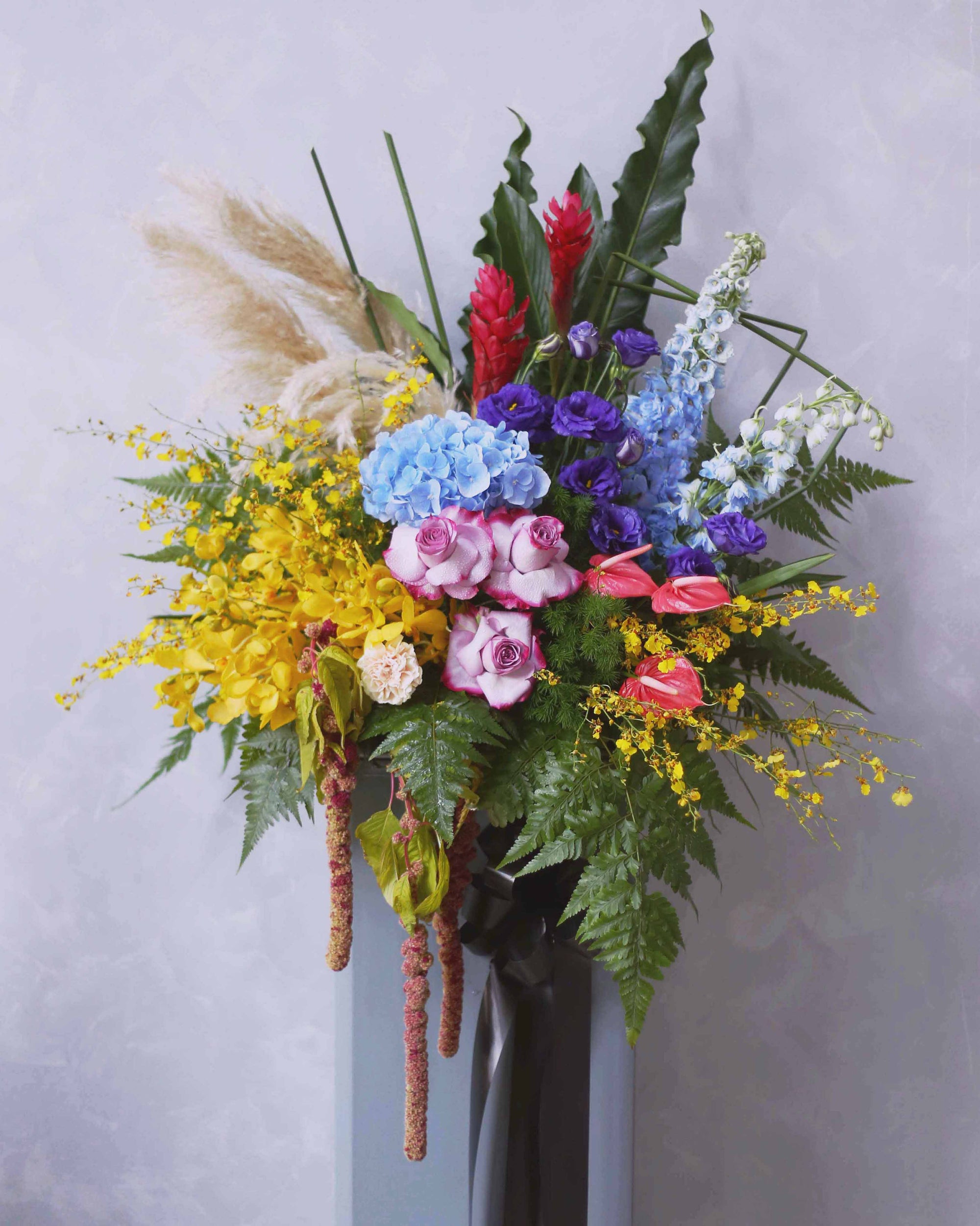


There's something utterly magical about the tall, bell-flowered spikes of a foxglove, isn't there? They add such a lovely, cottage-garden charm. But perhaps you're looking for something a bit different, or maybe something better suited to our sunny Singaporean climate.
If you're searching for flowers that look like foxglove, you're in for a treat. We've gathered a list of ten stunning alternatives that capture that same elegant, vertical appeal.
1. Snapdragon (Antirrhinum majus)
Snapdragons are a classic choice and for good reason. Their flowers, which famously resemble a dragon's snout, are clustered densely on a tall stalk.
They come in a rainbow of colours, from soft pastels to vibrant jewel tones, making them incredibly versatile for any hand bouquet or garden pot.
2. Penstemon (Penstemon spp.)

Penstemons are brilliant! They boast tubular flowers that are very similar to foxgloves, but they tend to be a bit hardier. These beauties attract pollinators like bees and butterflies, adding a lively buzz to your space. While they prefer cooler climates, some varieties can be grown in containers in a shadier spot on your balcony.
3. Delphinium (Delphinium elatum)
For a truly dramatic statement, look no further than the delphinium. Known for their intensely coloured, often blue, flower spikes, they bring a sense of grandeur. They can be a bit tricky to grow in our tropical heat, but their breathtaking beauty makes them a popular choice in flower boxes.
4. Lupin (Lupinus polyphyllus)
Lupins are the stuff of garden dreams. Their flower spikes are packed with pea-like blossoms that create a wonderfully textured, conical shape. They come in a vast array of colours and often feature striking bi-colour patterns.
5. Acanthus (Acanthus mollis)
Also known as Bear's Breeches, Acanthus offers a bold, architectural look. Its tall spikes of hooded, white or purplish flowers rise impressively above large, glossy leaves. It's a real showstopper and a more exotic foxglove look-alike.
6. Gladiolus (Gladiolus spp.)

A favourite in Singapore, the gladiolus is famous for its sword-like leaves and tall, one-sided flower spikes. The individual flowers are large, frilly, and come in almost every colour imaginable, offering that vertical drama with a distinctly tropical flair.
7. Angelonia (Angelonia angustifolia)
Often called the Summer Snapdragon, Angelonia is a fantastic choice for our climate. It thrives in the heat and humidity, producing slender spikes of delicate, orchid-like flowers all year round. It looks gorgeous in pots and garden beds alike.
8. Salvia (Salvia nemorosa)
Many types of Salvia produce spires of vibrant flowers that strongly echo the shape of foxgloves. Varieties like 'May Night' offer deep indigo-purple spikes that are incredibly striking. Plus, they are generally tough plants that can handle the sun.
9. Hollyhock (Alcea rosea)
For a touch of rustic, cottage-garden charm, the hollyhock is perfect. It produces towering stalks adorned with large, open-faced flowers. While a classic temperate garden plant, they can be grown here with a bit of care, often as an annual.
10. Liatris (Liatris spicata)

Liatris, or Blazing Star, flips the script a bit. Its fluffy, purple or white flower spikes bloom from the top down, which is quite unusual. This unique feature, combined with its grassy foliage, makes it a fascinating and beautiful alternative.
Tips for Growing Foxglove Look-Alikes on Your HDB Balcony
Your balcony can be a wonderful green oasis! Growing these tall, spire-shaped flowers is entirely possible with a bit of know-how. Let's be honest, our Singaporean climate can be a challenge, but here’s how you can get it right.
1. Pick the Perfect Plant for Your Balcony's "Climate"
Not all balconies are created equal. Does yours get the full force of the blazing afternoon sun, or is it a bit more sheltered? Choosing the right plant for your specific lighting is the number one secret to success.
- For Sun-Worshippers (Direct Sun for 6+ hours): If your balcony is a sun trap, you need plants that can take the heat. Angelonia is your champion here; it absolutely thrives in the sun. Gladiolus and many varieties of Salvia will also perform beautifully with plenty of light.
- For a Bit of Shade (Morning Sun or Bright, Indirect Light): If your balcony is sheltered from the harshest afternoon rays, you have great options too. Snapdragons appreciate a break from intense heat, and Penstemons will be much happier in a spot with gentle morning sun.
2. Master the Art of Potting
The right home for your plant is everything. In container gardening, your pot and soil mix do all the heavy lifting.
- Go Deep, Not Just Wide: Tall plants need a stable foundation to support their height and deep roots. Choose a pot that is relatively deep and has a bit of weight to it so it won’t topple over when the wind whips around the block. A pot that’s at least 30cm deep is a good start.
- Drainage is Non-Negotiable: This is the golden rule of tropical gardening. Make sure your pot has plenty of drainage holes. Waterlogged roots are a fast track to an unhappy plant, especially during the rainy season.
- Use a Quality Potting Mix: Don't just scoop up soil from the ground. Buy a good-quality, well-draining potting mix from a nursery. These mixes are designed to be light and airy, allowing roots to breathe. For extra drainage, you can mix in some perlite.
3. Learn to Water Wisely
In our heat, it’s tempting to water constantly, but overwatering is just as dangerous as underwatering.
- Do the Finger Test: Before you water, stick your finger about an inch into the soil. Is it dry? Time to water. Is it still damp? Hold off for another day.
- Water in the Morning: Watering early in the day allows the plant to hydrate before the heat peaks and lets excess moisture on the leaves evaporate, which helps prevent fungal diseases.
- Water Thoroughly, Less Often: When you do water, give the plant a proper soak until you see water running out of the drainage holes. This encourages roots to grow deep and strong.
4. Feed Your Flowers for Fabulous Blooms
Plants in pots rely entirely on you for their nutrients. To get those impressive flower spikes, you'll need to provide some food.
- A Balanced Diet: A balanced liquid fertiliser, diluted according to the package instructions and applied every 2-4 weeks, works wonders. Alternatively, you can mix slow-release granules into the soil when you first pot the plant.
- Don’t Overdo It: More is not better when it comes to fertiliser. Too much can burn the roots, so always follow the recommended dosage.
5. Offer a Little Support
Some of these taller beauties, like Gladiolus or Delphiniums, might need a little help standing tall and proud. A simple bamboo cane or a small, decorative trellis pushed into the soil can provide the support they need to prevent their lovely stems from snapping in the wind.
Conclusion About Flowers That Look Like Foxgloves
These ten flowers offer that wonderful vertical element that makes foxgloves so beloved. From the hardy Angelonia perfect for our weather to the dramatic Delphinium for a special occasion bouquet, there's a world of spire-shaped beauties to discover.
Ready to bring some of this floral magic home? Explore our curated collections at Windflower Florist for the best flower delivery in Singapore, with 10% off when you join our community!
Looking for Beautiful Bouquets in Singapore?
Explore our curated hand bouquet collection — from cheerful dailies to premium designer arrangements. Free same-day delivery across Singapore.
Browse Hand Bouquets →Frequently Asked Questions About Flowers That Look Like Foxgloves
What Are The Easiest Foxglove-Like Flowers To Grow In Singapore?
Angelonia and certain varieties of Salvia are excellent choices as they are well-suited to our hot and humid climate. Gladiolus is also popularly grown and readily available here.
Are All Flowers That Look Like Foxglove Toxic?
No, not at all. While foxglove (Digitalis purpurea) is famously toxic, many of its look-alikes, such as Snapdragon and Salvia, are perfectly safe. It's always best to check the specific plant you are interested in.
Can I Find These Flowers In Bouquets In Singapore?
Yes, absolutely. Flowers like Delphiniums, Snapdragons, and Gladioli are staples in floristry and are often used by florists in Singapore to add height and drama to arrangements.
What Is The Main Difference Between A Foxglove And A Delphinium?
The main difference is in the individual flower shape. Foxglove flowers are large, bell-shaped tubes, while delphinium flowers are more complex, with multiple petals and a distinct spur at the back.
Do These Alternative Flowers Attract Pollinators?
Many of them do! Penstemon, Salvia, and Lupins are particularly good at attracting bees, butterflies, and other beneficial insects to your garden or balcony space.
How Do I Care For Cut Flowers Like Gladiolus or Delphiniums?
To keep them fresh, trim the stems at an angle upon arrival, remove any leaves that would be below the waterline, and place them in a clean vase with fresh water. Change the water every two days.


