


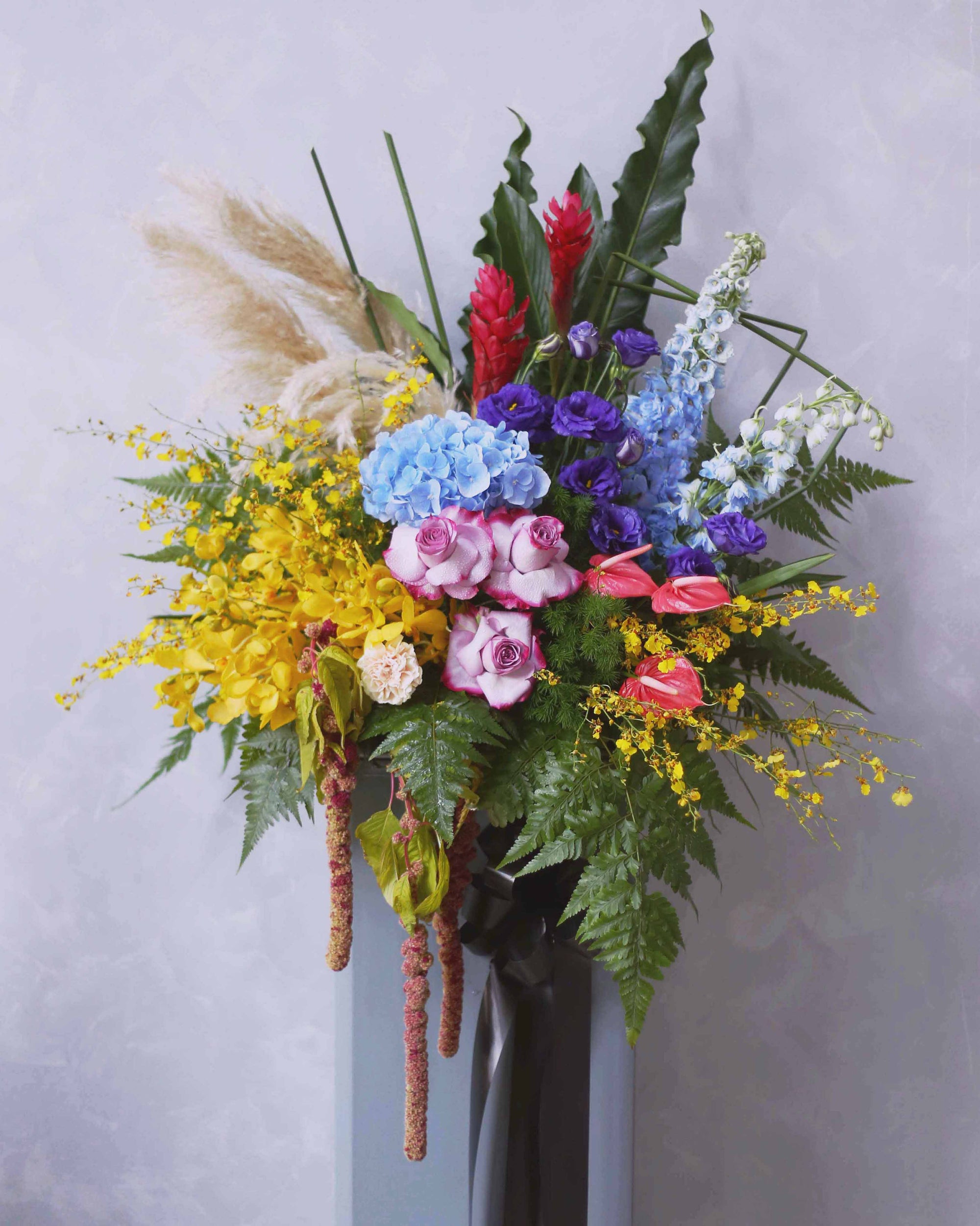


There’s something unforgettable about receiving flowers that feel alive with meaning. Yet many people struggle to find blooms that are both striking in colour and full of symbolism, especially when they want a gift to carry warmth and sincerity.
Forsythia, often called the “herald of spring,” symbolises hope, renewal, and anticipation of brighter days. Its golden flowers open before the leaves, a rare quality that makes it stand out. For centuries, people have cherished forsythia branches not only for their beauty but also for the message of optimism they bring.
In this article, we’ll explore the different types of forsythia that you can choose for gifts and arrangements. By the end, you’ll know which ones suit large centrepieces, compact bouquets, or unique displays that leave a lasting impression.
Large Forsythia Types for Bold Floral Displays

1. Lynwood Gold
Lynwood Gold is one of the most reliable forsythia types. It produces masses of bright yellow blooms in early spring.
- Height: around 6 to 10 feet tall
- Spread: 8 to 10 feet wide
- Habit: upright, strong branches that are perfect for cutting
This variety is loved for its dependable flowering and full, golden look. Its long branches make it easy to shape into arrangements that feel generous and joyful.
2. Beatrix Farrand
Beatrix Farrand is a graceful, fountain-shaped shrub that reaches up to 10 feet tall. It is often admired for having some of the largest flowers among all types of forsythia.
- Flower size: about 2 inches across
- Growth: up to 10 feet tall and wide
- Appearance: cascading habit with plenty of blooms
Because of its flower size, Beatrix Farrand stands out when cut for arrangements. A few stems can brighten an entire room, making it ideal for creating statement pieces or memorable gifts.
3. Meadowlark
Meadowlark is best known for its hardiness. It thrives even in colder climates, handling temperatures as low as -30°C.
- Height and spread: 8 to 10 feet
- Flower colour: rich golden yellow
- Growth habit: dense and bushy, great for screening
It flowers early, filling spaces with warmth after long winters. When used in bouquets, Meadowlark branches symbolise strength and resilience, making them a thoughtful choice for meaningful gifts.
4. Spectabilis
Spectabilis lives up to its name by putting on a spectacular spring show. It grows tall and wide, often reaching 8 feet or more, with arching branches that seem to flow outward.
- Height: around 8 to 10 feet
- Spread: 6 to 8 feet
- Flowers: profuse golden yellow, medium-sized blooms
This variety is popular for hedges and large displays. Its branches look especially striking when arranged in tall vases, perfect for adding elegance to celebrations or seasonal gifts.
Mid-Sized Forsythia Types for Versatile Arrangements

5. Sunrise
Sunrise is a semi-compact variety with a mounding habit. It usually grows between 4 to 6 feet tall, making it easy to manage in gardens or as cut stems.
- Height: 4 to 6 feet
- Spread: about the same
- Features: upright branches, mounding shape, and attractive fall colour
This type is ideal if you want blooms in early spring with a bonus of leaves that shift to purple in autumn. In arrangements, Sunrise branches add both brightness and softness, perfect for thoughtful seasonal gifts.
6. Karl Sax
Karl Sax is known as a late bloomer, flowering about two weeks after many other forsythia types. This makes it valuable if you want to extend the season of yellow displays.
- Height: around 6 feet tall
- Spread: medium-sized, bushy form
- Bloom time: later than most, allowing staggered flowering
Its slightly smaller size makes it easier to use in mixed bouquets. Because it flowers later, Karl Sax helps create arrangements when other varieties have already faded, keeping the cheer of spring alive a little longer.
7. Show Off Mindor
Show Off Mindor is a compact, upright shrub that grows to about 5 or 6 feet tall. Its branches are covered with bright yellow flowers from top to bottom.
- Height: 5 to 6 feet
- Shape: upright, dense, and compact
- Flower display: heavy blooming along every stem
This variety is excellent for hedges, but as cut branches, it shines in bouquets because every section is covered with blossoms. A single stem often looks as if it’s been carefully decorated, making it wonderful for gifts.
8. Goldrausch
Goldrausch is a German cultivar with a graceful fountain-like shape. It usually reaches 5 to 6 feet, sometimes a little taller.
- Height: 5 to 6 feet
- Spread: 4 to 5 feet
- Flower habit: blooms on old wood, flowers last longer than most
Its golden blooms are vibrant and long-lasting, giving you more time to enjoy them indoors. When used in floral arrangements, Goldrausch adds a sense of abundance and flow, especially in taller vases.
Dwarf Forsythia Types for Small Bouquets and Gifts

9. Gold Tide (Courtasol)
Gold Tide, also known as Courtasol, is a spreading dwarf variety. It grows about 2 feet tall but can spread up to 4 feet wide.
- Height: 2 to 2.5 feet
- Spread: up to 4 feet
- Special feature: early blooming, often from late winter
This forsythia is loved for its sea of lemon-yellow flowers. In arrangements, its shorter branches are easy to trim and add gentle splashes of colour to gift bouquets.
10. Golden Peep
Golden Peep is one of the smallest forsythia types. It stays very compact, reaching just about 30 inches tall.
- Height: around 30 inches
- Shape: rounded and tidy
- Use: ideal near houses, borders, or containers
Its petite stems make it perfect for small, hand-tied arrangements. Golden Peep offers cheerful yellow blossoms without taking up much space, a sweet choice for gifts that feel personal.
11. Goldilocks
Goldilocks is another very compact shrub, similar in size to Golden Peep. It is neat, well-behaved, and easily fits into flower borders or pots.
- Height: around 30 inches
- Spread: 2 to 3 feet
- Growth: compact, low maintenance
Because it’s so small, Goldilocks is a favourite for container gardening. For floral gifts, its delicate branches can be combined with spring flowers to create charming mini-arrangements.
12. Bronxensis
Bronxensis is a dwarf form of Forsythia viridissima. It grows to about 2 to 3 feet tall, with a tidy, low-profile habit.
- Height: 2 to 3 feet
- Spread: equal to its height
- Flowering: late spring, bright yellow blooms
This type is great for edging or container use. In flower arrangements, Bronxensis offers shorter stems that add a touch of colour without overwhelming smaller bouquets.
13. Citrus Swizzle
Citrus Swizzle is prized as much for its leaves as for its flowers. This tiny variety grows only 18 to 24 inches tall and wide.
- Height: 18 to 24 inches
- Foliage: variegated, chartreuse to cream, turning burgundy in autumn
- Flowers: small yellow blooms in spring
Its colourful foliage makes it unique. Even when the flowers fade, the leaves keep arrangements interesting, giving small bouquets extra texture and contrast.
14. Fiesta
Fiesta is a compact hybrid that grows around 3 feet tall and 4 feet wide. It is one of the earliest bloomers, often showing colour in late winter.
- Height: 3 feet
- Spread: 4 feet
- Foliage: variegated, with cream and yellow markings, sometimes tinged purple in autumn
Its variegated leaves and golden blooms make Fiesta stand out in both gardens and arrangements. A few stems can add variety and charm to seasonal gifts, especially when paired with plain green foliage for contrast.
Unique Forsythia Types for Special Arrangements

15. Kumson (Silver-Veined Foliage)
Kumson is known for its striking leaves. The foliage is dark green with silvery-white veins that look like fine lacework.
- Height: 4 to 6 feet
- Spread: similar to height
- Leaves: variegated with silver veining, bronze in autumn
The silver patterns on the leaves add contrast to floral arrangements. When paired with golden blooms in spring, Kumson offers both colour and texture that catch the eye.
16. Forsythia Koreana (Semi-Evergreen with Autumn Colour)
This variety is native to Korea and grows to about 2 metres tall. What makes it different is its ability to keep some of its leaves in winter.
- Height: around 6 feet
- Flower colour: vivid golden yellow
- Foliage: serrated leaves that may turn purple in autumn, sometimes semi-evergreen
Its stems and leaves provide more than just spring colour. Branches from Koreana can be used in gifts year-round, offering not only flowers but also attractive seasonal foliage.
17. Forsythia Suspensa (Weeping Forsythia for Cascading Arrangements)
Also called the Weeping Forsythia, Suspensa is admired for its arching, cascading branches. It is one of the original parent species behind many hybrids.
- Height: 8 to 10 feet, sometimes taller
- Branches: long and drooping, perfect for training over walls or trellises
- Flowers: pale yellow, soft and nodding
These elegant branches are wonderful for tall vases or cascading floral displays. Suspensa adds movement and flow to arrangements, making them feel more graceful and romantic.
18. Forsythia Europaea (Rare European Native)
Europaea is the only forsythia species native to Europe. It is not as showy as others, but its rarity makes it noteworthy.
- Height: up to 10 feet
- Flowers: small, less abundant, yellow
- Growth: somewhat untidy habit
Though it is less commonly used, its branches can bring a sense of uniqueness to arrangements. Including Europaea stems is like adding a touch of rarity, making a gift bouquet feel special.
19. Abeliophyllum Distichum (White Forsythia for Contrast)
Often called White Forsythia, Abeliophyllum is not a true forsythia but is closely related. It produces pale pink to pure white flowers in late winter.
- Height: 5 to 6 feet
- Flowers: soft white or blush pink
- Bloom time: late winter to early spring
Because of its white flowers, Abeliophyllum pairs beautifully with yellow forsythias in arrangements. The contrast of colours creates delicate, elegant bouquets that feel refined and memorable.
How to Use Forsythia Types in Flower Arrangements and Gifts

Bright and Cheerful Displays
Forsythia branches are versatile, making them an easy choice for arrangements that feel lively and joyful. Their golden flowers signal new beginnings, which is why they are often chosen for seasonal displays or thoughtful gifts.
Striking Centrepieces
Cut stems from tall varieties can be placed in large vases to create impressive centrepieces. These bold displays are perfect when you want your gift to feel generous and full of energy.
Sweet and Compact Gifts
For smaller bouquets, dwarf types such as Golden Peep or Citrus Swizzle add a delicate touch. Their compact stems bring charm without overwhelming the arrangement, making them perfect for personal gifts.
Pairing with Other Spring Flowers
Forsythia blends beautifully with daffodils, tulips, or cherry blossoms. The bright yellow highlights softer colours, giving arrangements a balanced and fresh look.
Forcing Branches Indoors
If you want colour during late winter, you can force branches indoors. Simply cut stems, place them in water, and watch the buds open into golden blooms. It’s a thoughtful way to bring unexpected cheer when the outside world is still grey.
Choosing the Right Forsythia Type for Your Needs
With so many forsythia types available, the right choice depends on what you want to create.
- For dramatic, large-scale arrangements or statement gifts: choose taller types like Lynwood Gold or Beatrix Farrand. Their long branches and bold flowers easily fill big spaces.
- For versatile, mid-sized bouquets: options such as Sunrise or Show Off Mindor give you just the right balance of size and manageability.
- For sweet, personal gifts or smaller displays: compact varieties like Golden Peep, Fiesta, or Citrus Swizzle are perfect. They fit nicely into hand-tied bouquets or smaller vases.
- For something unique and memorable: special types such as Forsythia Suspensa with its cascading habit, or Abeliophyllum with its white blooms, can elevate an arrangement into something unforgettable.
By considering both size and style, you can select the type of forsythia that best matches your floral vision. Whether it’s a grand gift or a delicate arrangement, there is always a variety that suits the moment.
Conclusion About Types Of Forsythia
Forsythia brings golden joy to every season, from tall, dramatic stems to compact varieties perfect for delicate gifts. We’ve explored different types of forsythia, how they can be used in flower arrangements, and which ones suit your needs best. These blossoms remind us that even the simplest stems can carry meaning, brighten days, and leave lasting memories.
Windflower Florist is here to help. With our passion for flowers and artfully crafted bouquets, we design arrangements that speak from the heart and deliver them with love. Whether it’s for everyday gestures or life’s biggest celebrations, our free, on-time delivery ensures your message of care always arrives beautifully.
Contact us today and let us craft a bouquet that makes your gift unforgettable.
Frequently Asked Questions About Types Of Forsythia
What Are The Different Types Of Forsythia?
There are large, mid-sized, dwarf, and unique types, each offering different heights, bloom times, and features.
Which Forsythia Type Is Best For Flower Arrangements?
Lynwood Gold and Beatrix Farrand are great for large displays, while Golden Peep and Fiesta are perfect for smaller bouquets.
When Do Forsythia Types Bloom?
Most bloom in early spring, but some like Karl Sax bloom later, and a few can be forced to bloom indoors in winter.
How Long Do Forsythia Flowers Last?
The flowers typically last 2 to 3 weeks, depending on the variety and growing conditions.
Are There Dwarf Forsythia Types For Small Spaces?
Yes, varieties like Golden Peep, Goldilocks, and Citrus Swizzle stay compact and fit well in containers or small bouquets.
Do Forsythia Types Have Different Colours?
Most have golden yellow flowers, but Abeliophyllum, also known as white forsythia, produces soft white or pink blooms.
Can Forsythia Be Used As A Gift Plant?
Yes, cut stems or potted dwarf varieties make meaningful and cheerful gifts.
How Do You Care For Forsythia Types?
Plant them in full sun with well-drained soil, prune right after flowering, and water during dry spells.
