


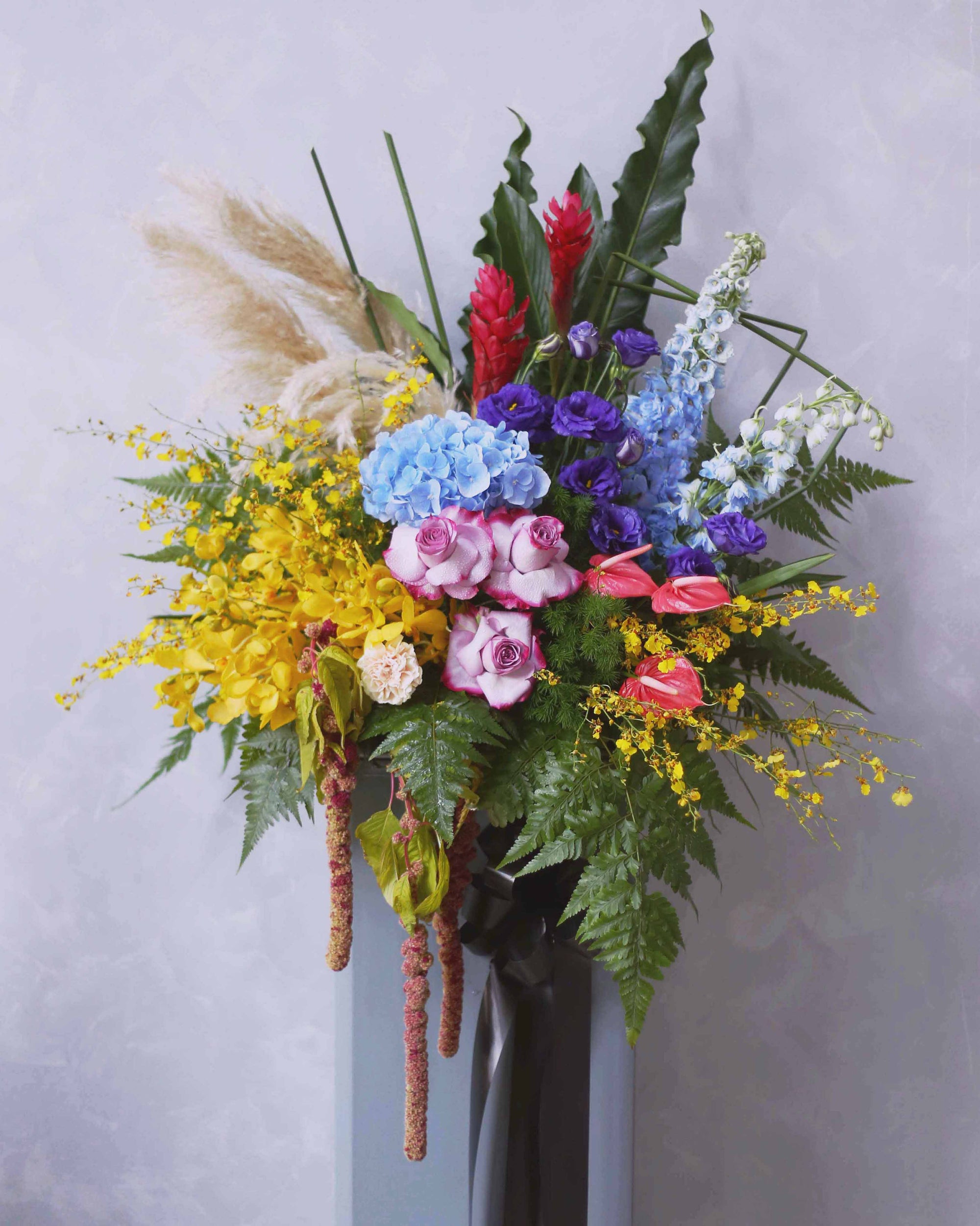


You might have seen those lovely, cup-shaped flowers called crocuses in special flower boxes and wondered about their delicate beauty. They seem to appear with a cheerful burst of colour and then, just as quickly, they're gone.
It gets you thinking, exactly how long do crocus blooms last? Let's get into it and find out how to make the most of these charming blossoms.
How Long Do Crocus Blooms Actually Last?
So, you've got a beautiful crocus, or perhaps a pot of them. You're hoping they'll stick around for a while. Generally, an individual crocus flower will grace you with its presence for about one to two weeks. It's a short but incredibly sweet visit! The overall blooming period for a patch of crocuses can be a bit longer, as not all the flowers open at the exact same time.
Factors Influencing How Long Crocus Blooms Last

The lifespan of these pretty petals isn't set in stone. Several things can affect their staying power, even here in our warm Singaporean weather.
- Sunshine and Heat: Crocuses love a bit of sun, but not our intense, all-day Singaporean heat! Too much direct heat can make the flowers fade much faster. If you have them in a pot, a spot with bright, indirect light is perfect. They close up at night and on cloudy days, which is their clever way of preserving energy and lasting a little longer.
- The Type of Crocus: Did you know there are over 90 species of crocus? Some, like the classic Dutch crocus, tend to have larger, more robust flowers that might last a tad longer than the smaller, more delicate species. When you get them in a bouquet, they are often the hardier types.
- Watering Wisely: Like with any cut flower or potted plant, water is key. For potted crocuses, you want the soil to be moist but not waterlogged. Soggy soil is a big no-no. For crocuses in a vase, fresh, clean water every day or two will help extend their vase life.
Solving Common Issues That Crocus Blooms Have

Seeing your vibrant crocus looking a bit down can be disheartening, but don't panic! Most of the time, the plant is just reacting to its environment, and the problem is usually an easy fix. Here are some of the most common issues you might face and how to get your plant looking cheerful again.
Problem: The Blooms Faded Almost Overnight!
This is probably the most common worry, especially in a warm climate. You bring a beautiful flowering plant home, and the next day it looks sad and wilted.
- Likely Cause: Heat stress is the number one culprit. Crocuses are cool-weather plants, and the intense Singaporean heat, even indoors, can drastically shorten their bloom time. Placing them in direct sunlight, near a hot window, or next to an electronic device that emits heat (like a TV or computer) will cause them to fade quickly. Dehydration is another major factor.
- The Fix: Act fast! Immediately move the pot or vase to the coolest spot in your home, far from direct sunlight. A room with air conditioning is ideal, but a shady corner will also help. For cut crocuses, re-trim the stems at an angle and place them in a flower vase of fresh, cool water. For a potted plant, check if the soil is completely dry and give it a good drink if needed.
Problem: The Stems are Weak, Long, and Floppy.
Instead of strong, upright stems, you notice they are leaning over, looking stretched and unable to support the flower.
- Likely Cause: This is a classic cry for light. The plant is experiencing something called etiolation, where it stretches its stems in a desperate search for a better light source. This makes the stems long, pale, and weak.
- The Fix: Move your crocus to a brighter location. It needs plenty of bright, indirect sunlight to stay compact and strong. A spot near a window that doesn't get harsh, direct sun is perfect. Be careful not to swing to the opposite extreme; direct, hot sun will cause the wilting issue mentioned above.
Problem: The Leaves are Turning Yellow.
Yellow leaves can mean very different things depending on when they happen.
- Likely Cause (If happening during flowering): You are probably being too kind with the watering can! Yellowing leaves while the plant is still in bloom is a primary sign of overwatering. The soil is too soggy, and the bulb or roots are starting to suffocate or rot.
- Likely Cause (If happening after flowering): This is normal! After the flower fades, the leaves continue to work, photosynthesising to send energy back into the bulb for storage. As they finish their job, they will naturally turn yellow and wither.
- The Fix: For overwatering, stop immediately and allow the top inch or two of soil to dry out completely before watering again. Always make sure your pot has drainage holes so excess water can escape. If it's just the natural end of the cycle, simply let the leaves die back on their own.
Problem: You See Fuzzy White or Grey Stuff on the Soil.
You might notice a fine, web-like mould forming on the surface of the soil in your pot.
- Likely Cause: This is a common surface mould that thrives in high humidity and damp conditions with poor air circulation, a familiar combination in Singapore. It's usually harmless to the plant itself, but it is a sign that conditions are too wet.
- The Fix: Gently scrape the mould off the soil's surface with a spoon. To help prevent it from returning, sprinkle a very thin layer of ground cinnamon on top; it's a natural fungicide. Most importantly, cut back on watering and increase the air circulation around the plant.
Conclusion About The Lifespan Of Crocus Blooms
Crocuses may have a short and sweet blooming period of one to two weeks, but their vibrant charm makes every moment worthwhile. With a little care, you can maximise their beauty right here in Singapore.
They remind us to appreciate the lovely, fleeting moments in life. If you're looking to bring a little of that fleeting beauty into your home, let us help you find the perfect vase arrangement.
Explore our collection at Windflower Florist, with the best flower delivery in Singapore, and get 10% off when you join our community!
Looking for Beautiful Bouquets in Singapore?
Explore our curated hand bouquet collection — from cheerful dailies to premium designer arrangements. Free same-day delivery across Singapore.
Browse Hand Bouquets →Frequently Asked Questions About The Lifespan Of Crocus Blooms
How Can I Make My Cut Crocus Flowers Last Longer In A Vase?
To make your cut crocuses last longer, trim the stems at an angle before placing them in a vase with fresh, cool water. Change the water every one to two days and keep the vase in a cool location away from direct sunlight and heat sources.
Do Crocuses Bloom More Than Once?
A single crocus bulb will produce flowers for one season and then go dormant. If planted in a suitable climate, the bulb stores energy and will bloom again the following year, often producing even more flowers as the bulb multiplies.
What Do Crocus Flowers Symbolise?
Crocus flowers are often associated with youthfulness, cheerfulness, and new beginnings. Their emergence at the end of winter in colder climates makes them a powerful symbol of hope and rebirth.
Why Do My Crocus Flowers Close At Night?
Crocuses close their petals at night and on overcast days as a protective mechanism. This helps shield them from cold temperatures and moisture, preserving their pollen and nectar, which in turn helps to prolong the life of the bloom.
Are Crocuses The Same As Saffron?
The spice saffron comes from the stigma of one specific type of crocus, the Crocus sativus. While they are related, not all crocus flowers produce saffron, and some varieties can even be toxic if ingested.


