


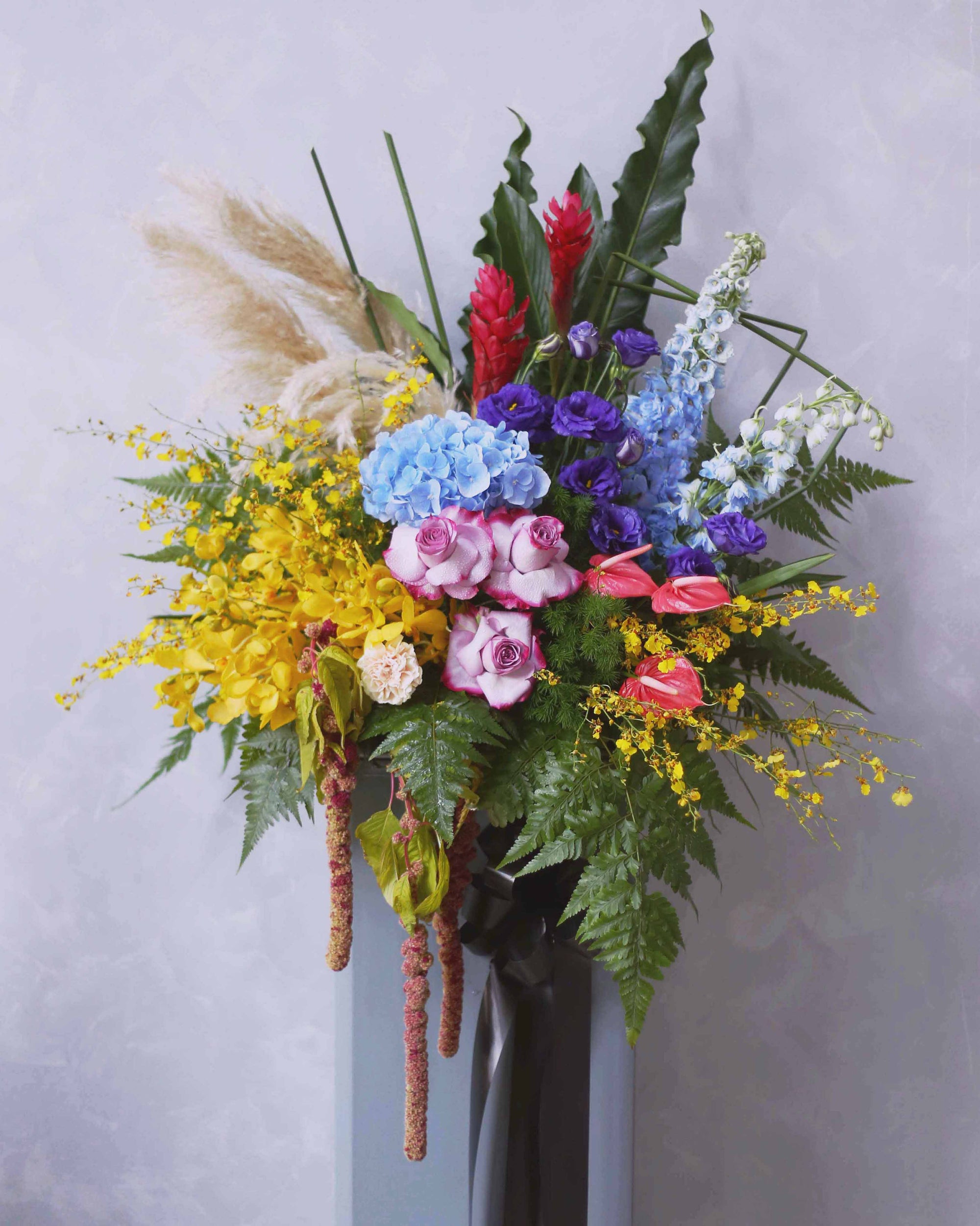


Have you ever found yourself staring at a wall of blossoms, wondering if your choice says "I like you" or "I am sorry"? Long before emojis, people relied on the language of flowers to convey their feelings.
Whether you are celebrating a new romance or offering comfort during a tough time, every petal has a story. In our busy city life, choosing a gift with intention makes the gesture truly stand out.
The History and Origins of the Language of Flowers

The language of flowers, formally known as floriography, is a timeless method of communication that allows you to express deep emotions through the symbolic power of nature.
By understanding the roots of flowers and their meanings, you can transform a simple floral gift into a sophisticated message that resonates with your recipient.
Ancient Roots and Victorian Peak
While the symbolic use of plants dates back to ancient civilisations, the language of flowers became a structured "code" during the Victorian era. In a period where open displays of emotion were socially restricted, people used specific flowers and meanings to share secrets, confessions, and promises.
The Development of "Floral Dictionaries"
During the 19th century, numerous guidebooks were published to standardise the meaning of flowers. These dictionaries allowed individuals to "read" bouquets like a letter, with every species representing a unique trait, such as "loyalty" for sunflowers or "purity" for white lilies.
Contextual Messaging
Historical floriography was highly detailed; the way a bouquet was presented could change the message. For example, flowers held in the right hand answered "yes" to a question, while those in the left hand meant "no".
Evolution to Modern Gifting
Today, we still follow many of these traditions. While we may no longer follow strict Victorian etiquette, choosing flowers and their meaning remains the ultimate way to show intentionality and thoughtfulness in a fast-paced digital world.
How Different Cultures Interpret Meanings of Flowers
While many people follow Western traditions, the meaning of flowers can shift dramatically across different cultures, which is a vital consideration in a diverse city like ours.
For example, while white lilies are often associated with purity in Western contexts, they are sometimes reserved for funeral rites in various Asian traditions.
Likewise, the number of stems can carry its own message; in many local cultures, certain numbers are believed to bring prosperity, while others are avoided during celebratory events.
When choosing flowers and their meanings, it is helpful to consider the recipient's heritage and personal values. Navigating these cultural nuances ensures your gift is received with the exact sentiment you intended, whether you are celebrating a traditional wedding or a modern professional milestone.
What is the Meaning of Flowers for Different Occasions?
The language of flowers is a sophisticated tool that ensures your gift is a perfect match for the milestone you are marking. By understanding the meaning of flowers for specific events, you eliminate the fear of sending the wrong signal and instead provide a "dream-come-true" experience for the recipient.
- Romance and Anniversaries: Red roses remain the gold standard for passion, but incorporating peonies adds a layer of "prosperity" and "happy marriage" to the message. This combination tells a story of both current desire and long-term commitment.
- Professional Milestones and New Jobs: When celebrating success, orchids and sunflowers are ideal. Orchids represent "refinement and strength," while sunflowers convey "loyalty and longevity," making them perfect for a new office environment.
- Gratitude and Appreciation: To say a sincere thank you, hydrangeas are the ultimate choice. Their cluster-like blooms symbolise "heartfelt emotion" and "being understood," showing the recipient that their help was truly valued.
- Sympathy and Remembrance: During difficult times, white lilies are the traditional choice for "purity and rebirth." They offer a silent message of peace and respect when words are difficult to find.
Popular Flowers and Their Meanings

To help you navigate your next visit to the florist, here is a breakdown of the most beloved blooms and what they quietly whisper to the recipient:
- Sunflowers: These cheerful giants are all about adoration and loyalty. They are a brilliant choice for a graduation or a housewarming gift.
- Tulips: Known for representing "perfect love," purple tulips denote royalty and admiration, whereas yellow ones represent sunshine and happy thoughts.
- Lilies: Often associated with purity and rebirth, they are a staple for weddings and new beginnings.
- Hydrangeas: These stunning, rounded clusters symbolise heartfelt emotion and gratitude for being understood.
- Orchids: These signify exotic beauty, refinement, and strength. They are a sophisticated way to show someone you admire their grace.
- Carnations: A symbol of fascination and distinction. Pink carnations are particularly popular for Mother’s Day, representing a mother's undying love.
- Daisies: Simple and sweet, daisies represent innocence and purity. They are the ultimate "cheer up" flower for a dear friend.
- Baby’s Breath: These tiny white blossoms symbolise everlasting love and pureness, which is why they are so common in bridal bouquets.
Why Flower Meanings Matter More Than Ever
In an era when we are increasingly conscious of our environmental footprint, sustainable gifting has become a top priority for many. This is where the language of flowers truly shines.
Instead of generic gifts that may eventually go to waste, choosing an arrangement based on specific flowers and meanings shows a level of intentionality that lasts far longer than the blooms themselves.
One of the best ways to practice sustainable gifting is by choosing preserved or dried flowers. Because these arrangements are designed to stay vibrant for months or even years without water, they offer a beautiful, low-impact way to keep the meaning of flowers alive in a home or office.
Conclusion About The Language Of Flowers
Every occasion has a floral match. For a first date, consider orchids or purple tulips to show interest without being too overwhelming. For an anniversary, a mix of red roses and peonies speaks of a deep, prosperous bond. If you are saying thank you, a lush vase of hydrangeas conveys sincere appreciation.
No matter the sentiment, the key is to choose blooms that reflect your true feelings. Make your next gesture unforgettable with Windflower Florist, with on-time same-day flower delivery in Singapore, or else your order is free.
Looking for Beautiful Bouquets in Singapore?
Explore our curated hand bouquet collection — from cheerful dailies to premium designer arrangements. Free same-day delivery across Singapore.
Browse Hand Bouquets →Frequently Asked Questions About The Language Of Flowers
What Is The Most Popular Flower For Expressing Gratitude?
Hydrangeas and pink roses are widely considered the best choices for saying thank you. Hydrangeas represent heartfelt emotion, while pink roses symbolise appreciation and grace, making them a thoughtful gesture for someone who has helped you.
How Do I Choose Flowers Based On Their Meanings?
Start by identifying the primary emotion you want to convey. If it is romance, go for red or deep pink tones. For friendship, yellow and orange are ideal. For moments of peace or new beginnings, white flowers such as lilies or daisies are most appropriate.
Why Is Changing The Water In A Vase So Important?
Bacteria thrive in stagnant water and can clog the stems of your flowers, preventing them from taking up the hydration they need. Fresh water ensures your blooms stay crisp and prevents the "smelly vase" syndrome that often occurs after a few days.
Can I Send Preserved Flowers For A Birthday?
Yes, preserved flowers are a fantastic birthday gift as they serve as a lasting memento of the celebration. They are particularly good for people who may not have the time to care for fresh arrangements but still appreciate natural beauty.
What Flowers Symbolise New Beginnings In Singapore?
Daffodils and sunflowers are the top picks for new beginnings. In our local context, the vibrant yellow of these blooms is often associated with joy, prosperity, and the bright energy needed for a fresh start in a career or home.


