




We all know the familiar buzz of romance when February comes around. But did you know there’s another day steeped in a love story so epic it’s literally written in the stars? As late summer approaches, you might find yourself wondering what the Qixi Festival is.
Well, get ready to be swept off your feet by a tale of celestial love, a bridge of magpies, and a celebration that has captured hearts for centuries.
A Love Story for the Ages: The Qixi Festival History

At its heart, the Qixi Festival celebrates a beautiful, if bittersweet, legend. The story centres on two lovers: Zhinü, the Weaver Girl, and Niulang, the Cowherd. Zhinü was a fairy, the seventh daughter of the Jade Emperor, who grew tired of her life in the heavens.
She ventured to the mortal world, where she met and fell in love with a humble cowherd, Niulang.
They married and had two children, living a blissfully simple life. However, when her mother, the Queen Mother of the West, discovered her daughter had married a mortal, she was furious. She forced Zhinü to return to the heavens, creating a massive river in the sky, the Milky Way, to separate the lovers forever.
Moved by their sorrow and devotion, magpies from all over the world took pity on them. Once a year, on the seventh day of the seventh lunar month, they fly up to the heavens and form a bridge across the Milky Way, allowing the star-crossed lovers to reunite for a single night.
Beyond the beautiful myth, the Qixi Festival's meaning is about celebrating true love and unwavering devotion. It’s a reminder that love can overcome incredible obstacles, even a celestial river.
Why Is It Called the Qixi Festival?
The name is actually a direct clue to its date! In Mandarin, ‘Qi’ (七) means seven, and ‘Xi’ (夕) means evening. Together, ‘Qixi’ translates to the "Evening of the Sevens", referencing the festival's celebration on the seventh night of the seventh lunar month.
Qixi vs. Valentine's Day: Tale of Two Lovers' Days
So, you might be thinking, "Another day for romance? Isn't Qixi just Valentine's Day with a different name?" It's a fair question, but the answer is a resounding no. While both days are brilliant excuses to celebrate your special someone, they come from completely different worlds.
Think of it this way: Valentine’s Day is rooted in history, telling tales of a real-life saint from the Roman Empire. Its story is written in the pages of history books. Qixi, however, is pure poetry, born from a breathtaking 2,000-year-old myth. Its story is written in the stars. It’s a celestial fairytale about a Weaver Girl and a Cowherd, separated by the Milky Way and reunited by a bridge of birds. One is history, the other is magic.
That magical origin gives Qixi a unique feel—a blend of romance and beautiful longing. While modern celebrations are starting to look alike with fresh bouquets and fancy dinners, the soul of each festival remains distinct. One celebrates a saint; the other celebrates the stars.
Understanding the Traditions of the Qixi Festival
Forget modern dating for a moment. Let's rewind the clock to see how the Qixi Festival was traditionally celebrated, because its old-school customs are genuinely charming. The entire event was a heartfelt tribute to the story's heroine, the skilful Weaver Girl, Zhinü.
Here's how they celebrated back then:
- Wishing for Skills. Young women would gather under the moonlight for needle-threading contests. This wasn't just a sewing bee; it was a prayer in motion. Successfully threading a needle was thought to earn a blessing from Zhinü for clever hands and a happy future.
- Worshipping the Stars. Families would set up tables with offerings of fresh fruit and tea, turning their gaze to the heavens. They were searching for the stars Vega and Altair, whispering wishes for their own happiness and love.
- Enjoying 'Skill Fruits'. Special treats called qiaoguo (巧果) were made and shared. These sweet, fried pastries were a delicious link back to the festival's theme of wishing for cleverness and skill.
How Do Modern Couples Celebrate Qixi Today?

So how do you take a 2,000-year-old legend and make it relevant today? With Qixi just around the corner on August 29th, couples are proving that you don’t need a needle and thread to celebrate—you just need a little heart.
The modern Qixi playbook is all about personal expression. Here are a few popular ways to celebrate:
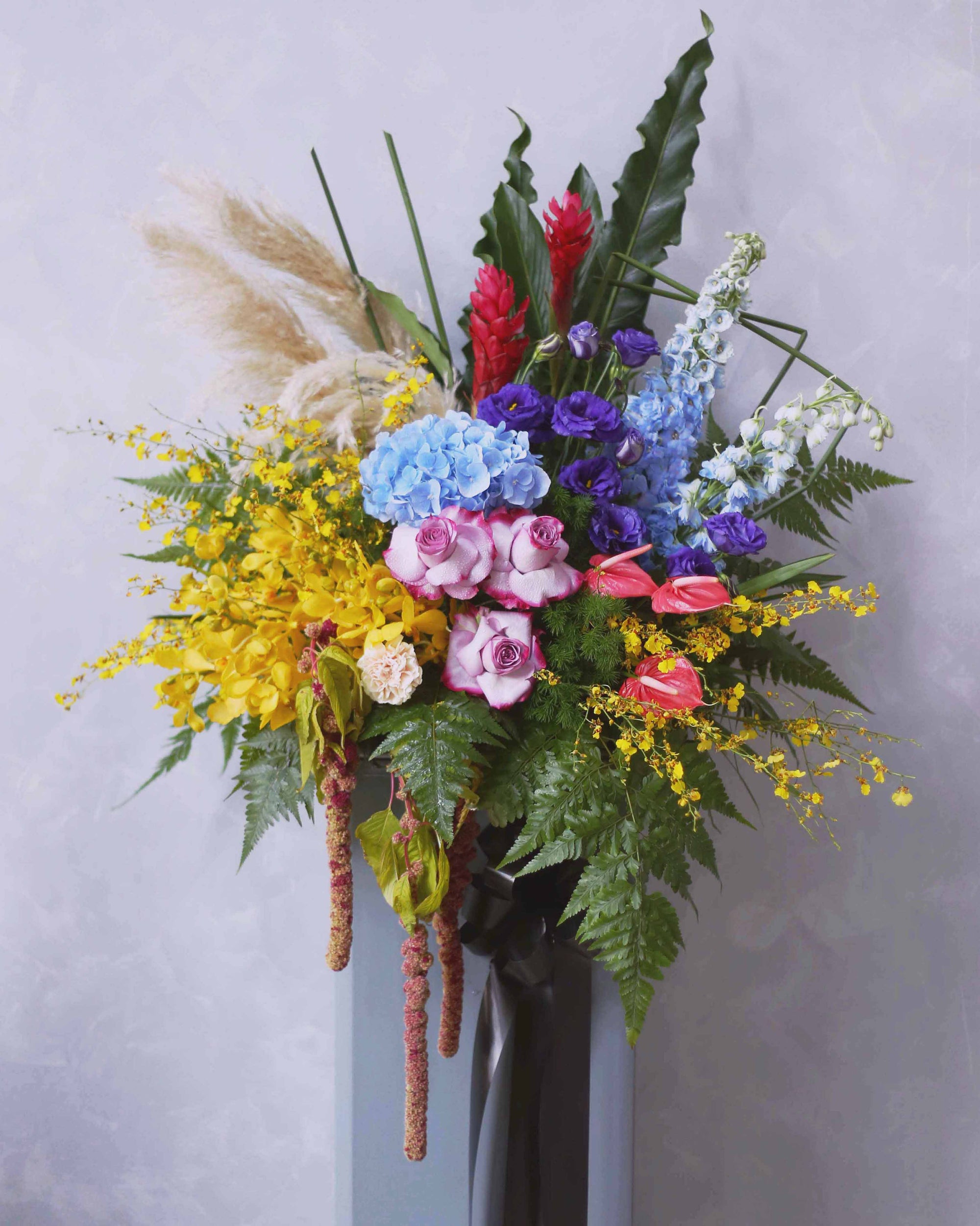
- The Grand Romantic Gesture. This is for those who love to go all out. We're talking show-stopping bouquets of flowers that say "I love you" in a way words can't, or that special gift you know your partner has been eyeing.
- The Shared Experience. For many, it's about creating a memory. Instead of just gifts, it’s about a unique date night: trying that new restaurant with the stunning view, packing a picnic, or finding a quiet spot to reconnect away from the daily hustle.
- The Quiet Connection. Sometimes, the best celebration is the simplest. No pressure, no grand plans. Just a quiet evening at home with a favourite film and the company of the one you love. It’s all about cherishing the quality time.
Conclusion About Qixi Festival
The story of the Cowherd and the Weaver Girl is a powerful tale that reminds us of love's enduring strength. It shows us that even when faced with separation, true devotion finds a way to connect. As you look up at the night sky this season, perhaps you’ll see their stars shining a little brighter.
Make your own love story unforgettable this year with a stunning bouquet from Windflower Florist with the best flower delivery in Singapore.
Frequently Asked Questions About Qixi Festival
When Is The Qixi Festival Celebrated?
The Qixi Festival falls on the seventh day of the seventh month of the Chinese lunar calendar. This means its date on the Gregorian calendar changes each year, typically occurring in August.
Is Qixi The Only Chinese Valentine's Day?
While Qixi is the most well-known, some also consider the Lantern Festival, which is on the 15th day of the first lunar month, as another day for romance. However, Qixi is the one most directly associated with a love story.
What Are Traditional Qixi Festival Foods?
A traditional treat for Qixi is 'qiaoguo' (巧果), which are thin, fried pastries of different shapes made from flour, sugar, and sesame. The name translates to "skill fruit," linking back to the tradition of praying for skills.
How Is Qixi Different From Western Valentine's Day?
The main difference is their origin. Western Valentine's Day is rooted in Roman and Christian traditions surrounding Saint Valentine. Qixi, on the other hand, originates from a 2,000-year-old Chinese folktale about celestial lovers. While modern celebrations are similar, the cultural history is unique.
What Is The Story Behind The Qixi Festival?
It is based on the legend of the Weaver Girl (Zhinü), a celestial fairy, and the Cowherd (Niulang), a mortal man. They were forcibly separated by the Milky Way but are allowed to reunite for one night a year on a bridge made of magpies.
Do People Exchange Gifts During Qixi?
Yes, absolutely! In modern times, exchanging gifts has become a very popular way to celebrate. Common gifts include flower boxes, chocolates, jewellery, and other thoughtful tokens of affection, much like on Western Valentine's Day.
