


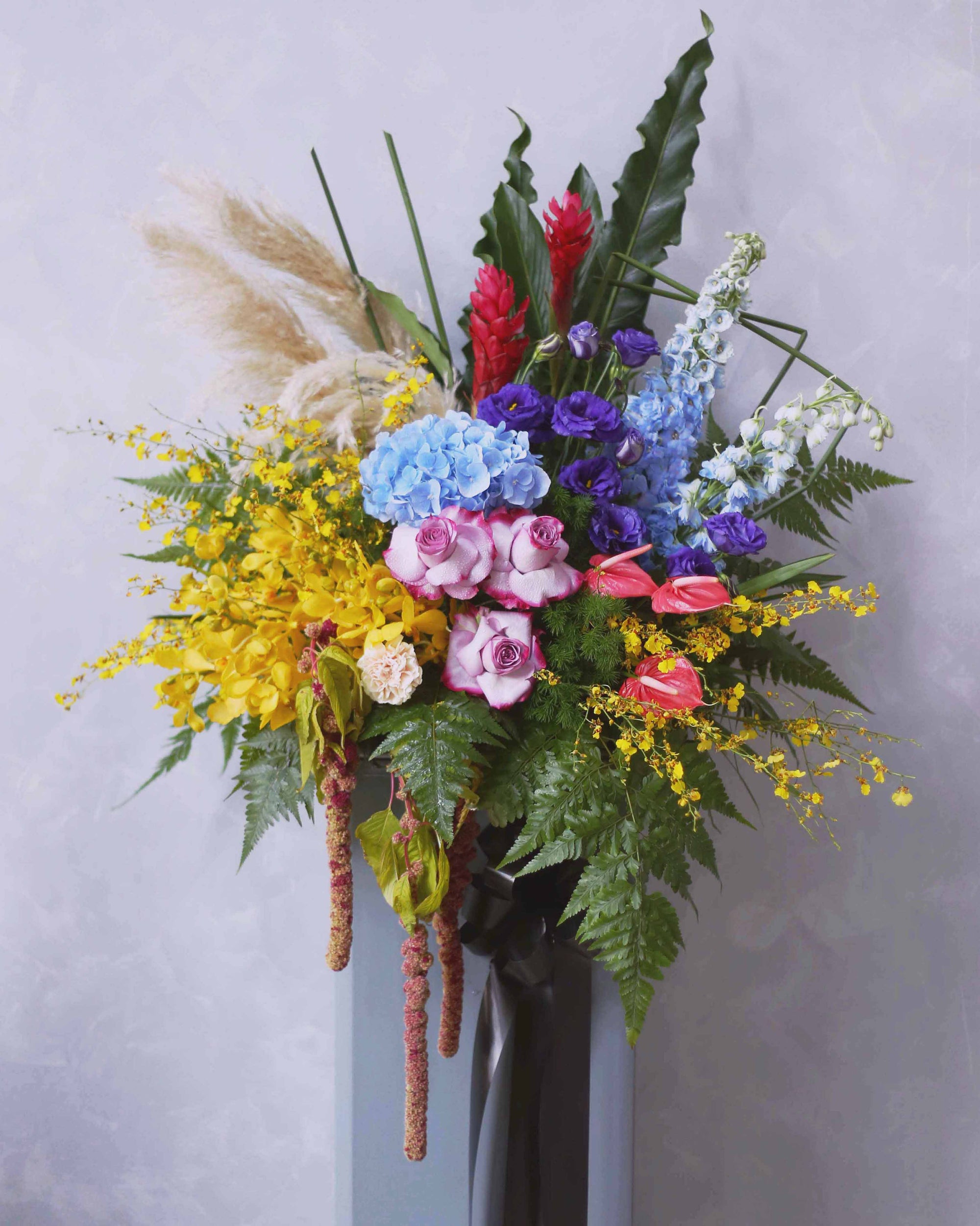


Do you love putting up flowers in your home but having issues with them wilting too soon? Flowers, with their bright colours and wonderful scent, can light up any room. But if not properly cared for they won’t last very long.
Nothing brightens a Singaporean home quite like a fresh bouquet of lilies or roses. However, the tropical heat can often lead to premature wilting. This is where those little white sachets come in.
If you have ever wondered what flower food is and why it matters, this guide will explain everything you need to know to double the life of your floral arrangements.
What Is Flower Food?

Flower food, which typically comes as a fine, white granular powder, acts as vitamins for your prettiest flowers. It is a powdered plant supplement that is often packaged in small sachets or packets, each containing a pre-measured amount suitable for a standard vase of water.
When mixed with water, this powder dissolves, creating a solution absorbed by the flowers through their stems. The appearance of the powder resembles table sugar or acceptable salt in texture.
The Three Essential Ingredients
|
Component |
Function |
Why it Matters |
|---|---|---|
|
Carbohydrates (Sugar) |
Energy Source |
Helps buds open and maintains petal colour. |
|
Acidifiers (Citric Acid) |
pH Regulation |
Helps the flower absorb water more quickly. |
|
Biocides (Bleach/Silver) |
Bacteria Control |
Prevents cloudy water and stem blockages. |
Remember that some flower food formulations may have a slightly different appearance, depending on the brand and formulation.
For instance, it could have a slight colouration or include visible particles of different substances. There are also liquid forms of flower food, though less common, that function similarly. These are typically added in drops to the water and are a concentrated solution of the necessary nutrients and additives.
Why Is Flower Food Important And How Does It Work?

Flowers, once cut, are detached from their roots and thus from their natural source of nourishment. The clock starts ticking the moment a flower is snipped from its plant. Without proper care, these delicate flowers can quickly wilt and lose their allure.
By providing essential nutrients and creating an environment hostile to bacteria, flower food can extend the life of cut flowers, sometimes even doubling their lifespan.
Once a flower is cut, it loses its natural source of nutrients and its ability to fight off bacteria. Flower food acts as a life-support system by mimicking the plant's natural environment. It performs three critical functions:
- Hydration: Acidifiers lower the pH of Singapore’s tap water (which is often slightly alkaline), allowing the stem to drink more efficiently.
- Nutrition: Sugar provides the necessary energy for buds to open and petals to remain vibrant.
- Sanitation: Antimicrobial agents keep the water clear and prevent "stem plugging" caused by bacteria.
In Singapore’s high humidity and warmth, bacteria multiply significantly faster than in temperate climates.
- Preventing Odours: Without flower food, stagnant vase water in the heat can quickly develop an unpleasant smell.
- Mosquito Larvae Control: Some commercial flower foods, contain ingredients that help deter mosquito breeding—a vital consideration for Dengue prevention in local households.
- Fighting Humidity: Higher temperatures increase the rate of transpiration; flower food ensures the flower can replace lost moisture fast enough to prevent drooping.
DIY Flower Food: A Homemade Alternative

While commercial flower food packets are readily available and convenient, you can also make a homemade version. A simple recipe includes:
- 1 teaspoon sugar
- 1 teaspoon of household bleach
- 2 teaspoons of lemon or lime juice
- 1 quart of lukewarm water
This homemade concoction provides nutrients and antibacterial properties to keep your flowers fresh.
How To Use Flower Food Packets Correctly

To get the most out of your bouquet, follow these simple steps to ensure your flower food works effectively. Correct usage is key to preventing premature wilting in Singapore’s heat.
- Sanitise the Vase: Bacteria are the primary enemy of fresh flowers. Wash your vase thoroughly with warm, soapy water and a splash of bleach to remove any lingering microorganisms from previous arrangements.
- Check the Water-to-Food Ratio: Most sachets are precisely measured for either 0.5 litres or 1 litre of water. Check the packet instructions carefully; a solution that is too concentrated can burn the stems, while one that is too diluted will not provide enough nutrients.
- Dissolve in Lukewarm Water: While Singapore’s tap water is perfectly safe, using lukewarm water helps the powder dissolve quickly and evenly. It also helps the stems "drink" more efficiently upon the first immersion.
- Trim Stems at an Angle: Cut approximately 2cm off the bottom of each stem at a 45-degree angle. This increases the surface area for water absorption and ensures the stem doesn't sit flat against the bottom of the vase, which can block the intake of food.
- Refresh Every 2–3 Days: Flower food is used up over time. For maximum longevity, change the water, clean the vase again, and add a fresh sachet every few days to keep the nutrient levels high and the bacteria levels low.
Pro Tips Of Using Flower Food Dor Specific Flowers
While a general solution is great, certain popular blooms in Singapore have unique preferences. Applying these expert tweaks will further extend the life of your specific floral choices:
- Hydrangeas: Known as "water drinkers," these blooms require intense hydration. Beyond flower food, dip the freshly cut stems in alum powder (available in local grocery stores) before placing them in the vase. This prevents sticky sap from clogging the stems, ensuring the stems stay turgid.
- Tulips: Unlike most flowers, Tulips continue to grow in the vase and prefer very cold water. In our warm climate, avoid adding extra sugar to their water, as it can cause the stems to stretch too quickly and droop. Adding a few ice cubes to the vase daily can help keep it upright.
- Orchids: As tropical natives, Orchids are resilient but sensitive to chemical salts. Use a half-strength dilution of flower food to keep their vibrant colours "popping" without overwhelming their delicate root systems.
- Roses: These are highly susceptible to "air embolisms" (air bubbles in the stem). For the best results, trim their stems underwater before placing them into the flower food solution to ensure an uninterrupted flow of nutrients.
Conclusion About Flower Food
So, what is flower food? It's more than just a packet of powder – it's a blend of science and care, a crucial element in the art of floristry and the joy of having fresh flowers in our lives.
By understanding and utilising flower food, we can significantly extend the beauty and life of cut flowers, making every bouquet a lasting source of joy.
Looking for the best fresh flowers to take care of? Shop for Windflower Florist’s collection of flowers today and we ensure an on-time flower delivery across Singapore; otherwise, your order is free.
Looking for Beautiful Bouquets in Singapore?
Explore our curated hand bouquet collection — from cheerful dailies to premium designer arrangements. Free same-day delivery across Singapore.
Browse Hand Bouquets →Frequently Asked Questions About Flower Food
Is Flower Food Safe For All Types Of Flowers?
Flower food is generally safe for most types of cut flowers. However, certain flowers may have specific needs or sensitivities. For instance, some orchids or exotic flowers might require a specialised flower food formulation. It's always a good idea to check the care instructions for specific flower types or consult with a florist for the best advice.
How Do I Know If My Flowers Need More Flower Food?
You can tell if your flowers need more food if they wilt, lose their vibrancy, or their water becomes cloudy much faster than expected. Healthy flowers with sufficient nutrients typically have firm petals and stems and maintain their colour. Regularly changing the water and adding fresh flower food every 2-3 days is a good practice to ensure they're adequately nourished.
Are There Any Environmental Concerns Associated With Using Flower Food?
The main environmental concerns with flower food involve the chemicals in biocides, which can be harmful if not disposed of properly. Overuse or incorrect disposal can lead to these chemicals entering water systems. Choosing eco-friendly or organic flower foods and following disposal instructions can help mitigate these concerns.
Is There A Difference Between Flower Food For Different Types Of Flowers, Like Roses Or Tulips?
Most commercial flower foods are formulated to suit a wide range of common-cut flowers, including roses and tulips. However, certain flowers with unique requirements may benefit from specialised flower food. For instance, flower food for bulb flowers like tulips might have different nutrient ratios than those for roses.
Can I Reuse Leftover Flower Food For My Next Bouquet?
It's not recommended to reuse leftover flower food for a new bouquet. Over time, the solution can become contaminated with bacteria and lose effectiveness. Fresh flower food ensures the right balance of nutrients and helps prevent bacterial growth, keeping your new bouquet fresh for longer.


