


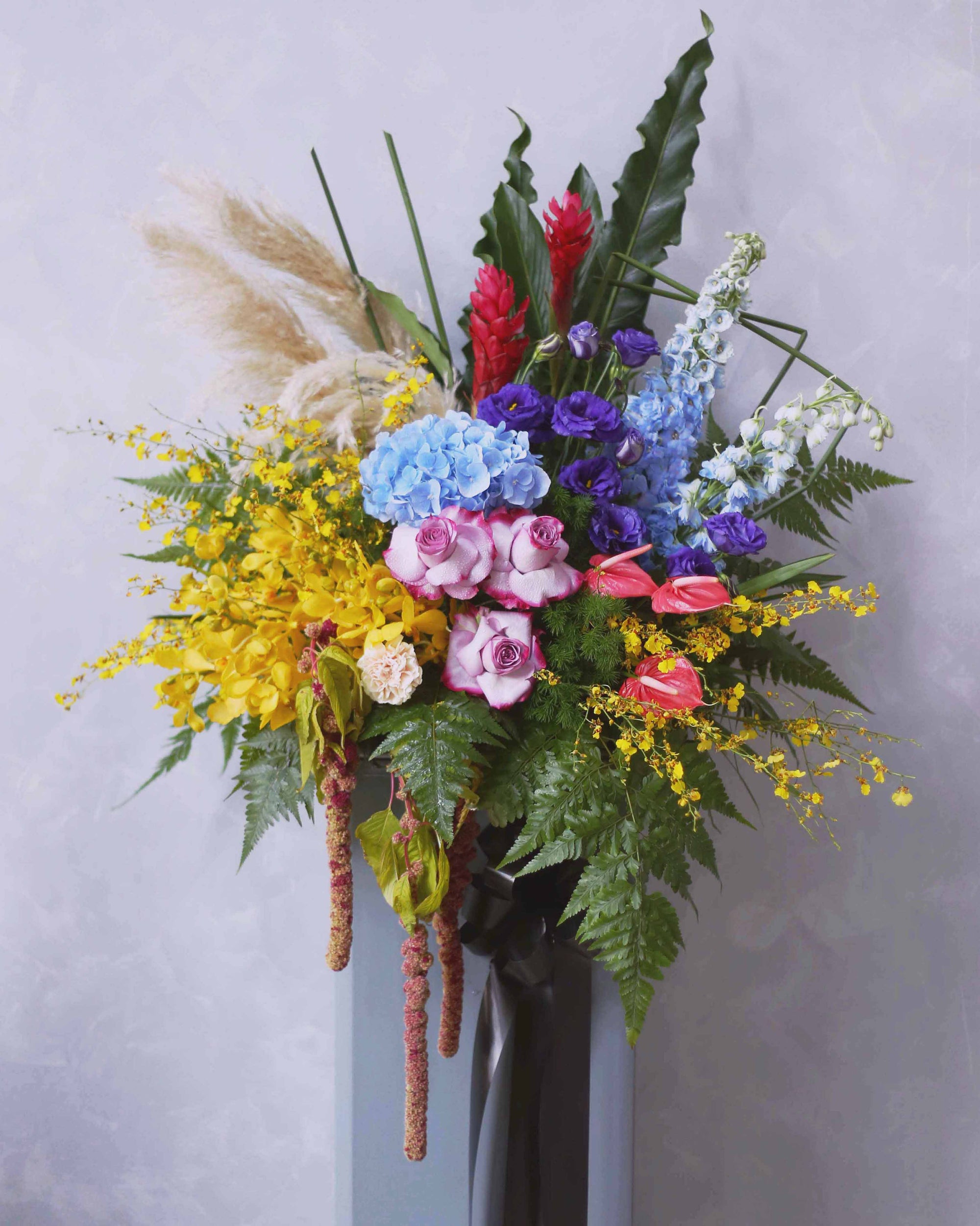


Your wedding day is a beautifully woven tapestry of dreams and decisions designed to create moments that will last a lifetime. One essential thread in this intricate fabric is your choice of flowers.
When thinking about what flowers should not be in a wedding bouquet, it's important to remember that while some flowers may look stunning, they can have toxic properties or be problematic in other ways.
Being well-informed about which flowers to avoid is essential for ensuring the safety and comfort of everyone attending your special day. Let's discover some floral choices you should reconsider for your wedding.
1. Gardenias

Gardenias, with their pristine white petals and intoxicating scent, are often a top pick for many brides-to-be. However, these delicate flowers come with challenges that might make you reconsider their place in your wedding bouquet.
Despite their popularity, they're not entirely immune to the list of common poisonous flowers. While their allure is undeniable, the presence of certain toxic substances can overshadow it.
If touched excessively or mishandled, the sap from Gardenias can cause skin irritation in some individuals. This poses a potential challenge, especially on a day when every detail needs to be perfect.
While their beauty is captivating, the fragility and potential health concerns of these delicate flowers warrant caution. One must weigh the aesthetic appeal against the potential for unwanted complications on such a significant day.
2. Lily Of The Valley
The Lily of the Valley is among the most common flowers chosen for various occasions due to its delicate appearance and fragrant allure. These bell-shaped blossoms captivate many with their understated elegance, making the lily a favoured choice for bouquets and arrangements.
However, when considering what flowers should not be in a wedding bouquet, this bloom carries a hidden risk—its toxic nature. If ingested, especially by children, the Lily of the Valley can increase heart rate, among other symptoms.
Its toxicity underscores the importance of caring for such flowers, especially in settings with curious little ones around.
Despite its potential dangers, the allure of the Lily of the Valley remains undiminished for many flower enthusiasts and couples. The fact that something can be beautiful and risky shows how complex this flower can be.
Those opting for this lily must be aware of its effects on humans. While its visual appeal is undeniable, caution should always be exercised, especially if the event has children in attendance. After all, when it comes to celebrations, safety should always be as paramount as aesthetics.
3. Poinsettias
While poinsettias are undeniably striking with their vivid red and green foliage, they are generally not recommended for wedding ceremonies. First and foremost, poinsettias are strongly associated with the Christmas season and its accompanying cultural symbolism.
Including them in a wedding, especially one that is not Christmas-themed, could create a jarring visual and thematic disconnect.
Moreover, these plants are sensitive to temperature and humidity changes, making them prone to wilting in less-than-ideal conditions. This makes poinsettias a risky choice for outdoor weddings or weddings in hot climates.
Additionally, they attract whiteflies, which could become a nuisance in an outdoor setting. For pet owners, it’s worth noting that poinsettias can be toxic to dogs and cats, potentially causing mild irritation or stomach issues if ingested by your furry friends.
Given all these factors, consider alternative floral choices that align more closely with your wedding's aesthetic and practical needs, especially if you plan an outdoor or non-Christmas-themed celebration.
4. Bleeding Heart
Despite its dramatic and romantic name, Bleeding Heart flowers may not be ideal for your wedding for several reasons. Beyond the obvious concerns about its toxicity, the flower also has delicate stems and blooms that can wilt quite quickly, especially in humid or warm conditions.
This makes them a less-than-ideal candidate for both outdoor weddings and long ceremonies. Furthermore, the flower's name and drooping shape might symbolise sadness or heartbreak, which are certainly not sentiments you'd want to invoke on a day that celebrates love and unity.
In some cultures and traditions, Bleeding Heart is also associated with themes of deep emotional pain or sorrow, adding another layer of inappropriateness for a joyous occasion. Additionally, its vivid pink and white colours can limit your colour scheme options, as they may clash with other, more traditional wedding hues.
Considering these factors and its toxic nature, it would likely be wise to choose a more versatile and less loaded flower for your nuptials.
5. Wisteria
While the cascading blooms of wisteria may look enchanting, they might not be the best choice for your wedding day.
Wisteria is a toxic plant containing chemicals that can be harmful if ingested, posing a risk to pets and small children. The flower attracts bees and other insects, which could be problematic, especially for outdoor events. In more severe cases, ingesting wisteria seeds can even lead to confusion and dizziness.
Wisteria is a vigorous climber that can grow unruly if not correctly managed, potentially creating more work for you or your floral team. Although lovely to some, its powerful fragrance can be overwhelming and may not suit everyone's taste. This could be particularly problematic for guests with allergies or sensitivities to strong scents.
The blooms have a short life span and are likely to wilt in hot or humid conditions, making them less than ideal for outdoor weddings in warm climates.
6. Foxglove

With its towering stems and bell-shaped flowers, Foxglove is undeniably a captivating sight in gardens and floral arrangements. However, when considering flowers to avoid for wedding bouquets, foxglove is a prime example due to its high toxicity. It contains potent compounds called cardiac glycosides, which can interfere with the heart's electrical system if ingested, leading to dangerous or even life-threatening conditions.
For example, if a child mistakenly eats even a tiny part of this plant, symptoms could rapidly develop, ranging from nausea and vomiting to more severe issues like irregular heartbeats or cardiac arrest. Because of its high toxicity, keeping Foxglove plants well away from children and pets is critical, and handling them carefully if you choose to include them in your garden.
A crucial point of caution is that all parts of the plant - from the delicate blooms to the roots and seeds - contain these toxic properties. Hence, it's especially vital to ensure foxglove is kept away from curious pets and children who might be tempted to touch or taste this beautiful but dangerous plant.
7. Rhododendron
The Rhododendron, often recognised for its vibrant purple flowers, stands out in gardens and arrangements alike. Its lush green leaves provide a rich backdrop, making the plant’s vivid blossoms even more striking.
However, these plants carry a hidden secret within. The presence of a toxic alkaloid in Rhododendron is known to cause skin irritation upon contact for some individuals.
Beyond the immediate skin concerns, ingestion, even in minute amounts, can lead to alarming symptoms. Blurred vision and abdominal pain are common after-effects of consuming parts of this plant.
It's somewhat reminiscent of the morning glory, another captivating flower with underlying toxic properties. For those enchanted by the Rhododendron's allure, it’s crucial to handle it with care and be aware of its potential risks.
8. Oleander

Oleander, with its lovely petals and graceful appearance, is often a tempting choice for various floral displays. However, every part of this plant contains potent toxins, from its seed pods to its leaves.
While it has been historically used in minute amounts in heart medicine, an overdose can lead to heart failure. Furthermore, its seed pods are similar to castor oil seeds, which are also toxic, making identification crucial to avoid unintentional ingestion.
Some individuals may experience irritation from skin contact with oleander, so handling the plant should be done with caution.
While many garden enthusiasts propagate new plants from cuttings, this process must be approached with care due to the plant's inherent toxicity. Despite its beauty, Oleander demands respect and understanding, ensuring it's appreciated from a distance and handled with the utmost precaution.
9. Daffodils
Daffodils, a popular plant known for their cheerful yellow petals, have been celebrated in literature and art for centuries and even found their roots in South Asian culture. However, daffodils hold a hidden risk when considering flowers to avoid for wedding arrangements.
Wearing gloves is recommended while handling these flowers, as their sap contains lycorine, an alkaloid known for causing skin irritation. Ingesting this substance can also lead to stomach pain.
Their widespread use in gardens and homes often misleads people into believing they’re entirely safe. When consumed, especially in large quantities, daffodils can lead to more severe symptoms, including an irregular heartbeat.
While South Asia has a rich tradition of home remedies, it's essential to approach daffodils with caution and awareness. Knowledge of the plant’s underlying properties enables one to appreciate its beauty while also respecting its natural essence.
10. Mistletoe
Mistletoe, with its little bells of flowers, often graces many gardens, becoming a popular choice for various occasions due to its symbolic nature. However, this common flower, frequently associated with festive season kisses, conceals more than its innocent appearance suggests.
Beyond its delicate facade, mistletoe contains viscotoxin and oxalic acid, compounds known for their potentially harmful effects on both humans and pets. When ingested, these toxins can lead to severe health complications, including liver failure.
While mistletoe’s allure might be tempting for its rich history and romantic associations, caution should be exercised, especially in settings where pets or children might be present. Interestingly, its effects on the human body can be likened to digitalis purpurea's influence on blood pressure.
Despite their aesthetic appeal, both plants carry compounds that demand respect and caution. When planning your wedding or any event, always consider the broader implications of the flowers you introduce, ensuring the safety and well-being of all attendees.
11. Chrysanthemum

While chrysanthemums are beautiful and come in various colours, they are traditionally associated with funerals and condolences in many cultures. Using them at a wedding could send an unintended message that is incongruent with the joyous and celebratory nature of the occasion.
The flower's symbolism varies worldwide, but in some countries, chrysanthemums are often used to honour the deceased and are common in memorial services. Depending on your guests' backgrounds, including them in your wedding bouquet or decor could be seen as culturally insensitive or simply inappropriate.
Thus, it's crucial to consider the aesthetic appeal of your floral arrangements and the cultural and symbolic messages they may convey. Avoid using chrysanthemums in your wedding to ensure the flowers only add to the celebration rather than detract from it.
12. Marigold
Marigolds are vibrant and colourful, often associated with festivities and celebrations in various cultures. However, there may be better choices for a wedding, mainly if the reception includes a meal.
Marigolds emit a strong, distinct aroma that some people find unpleasant, and this scent has the potential to alter the taste of food. Imagine spending time carefully selecting a menu only to have the flavours negatively affected by the aroma of these flowers.
The marigold's scent can be exceptionally overpowering in enclosed spaces or when used in large quantities, which is often the case for wedding decorations and centrepieces. For some guests, the smell may be distracting or overpowering, taking their focus away from the joyous occasion.
In addition, in some cultures, marigolds are associated with rituals far removed from matrimonial celebrations, adding another layer of complexity to their appropriateness for a wedding. Given these considerations, avoiding using marigolds as part of your wedding day floral arrangements may be prudent, mainly if food will be served at your celebration.
13. Lilies

Lilies, while elegant, can pose several issues for weddings. First, they have highly visible pollen, which easily stains clothing, especially bridal gowns and suits. Removing these stains can be challenging, creating a potential hassle on the wedding day.
Additionally, lilies have a very strong fragrance, which can be overwhelming for some guests, particularly those with allergies or sensitivities. In enclosed spaces, the scent may become too intense. For these reasons, lilies may not be the most practical choice for wedding bouquets or centrepieces.
14. Tulips
Tulips are admired for their simple elegance and vibrant colours, but are highly sensitive to temperature changes. In warm environments, tulips tend to droop quickly, losing their upright form, which can negatively impact the overall look of your bouquet.
Additionally, tulips have a unique trait: they continue to grow after being cut, which can cause an imbalance in carefully arranged bouquets. This growth, combined with their short vase life, makes them an impractical choice for long-lasting wedding arrangements, especially for outdoor or extended ceremonies.
15. Poppies
Poppies are known for their vivid colours and delicate, paper-thin petals, but their fragile nature makes them difficult to manage in wedding arrangements. Their petals are highly sensitive to touch and movement, causing them to fall off easily, leaving your bouquet looking incomplete.
Poppies also have a short lifespan after being cut, wilting quickly and losing their vibrant appeal within hours. Poppies may not be the best choice for couples looking for flowers that last throughout the day, as their beauty fades much faster than sturdier blooms.
16. Baby’s Breath
Often used as filler in wedding bouquets, baby’s breath is valued for its soft, airy look, but it comes with some drawbacks. Baby’s breath has a strong, musty odour that might be off-putting to some guests, particularly in close quarters or indoor ceremonies.
Additionally, the baby’s breath tends to dry out quickly, losing its delicate appearance and becoming brittle. As the day progresses, this filler flower can go from looking fresh to wilted, diminishing the overall aesthetic of your arrangements, especially in bouquets and table centrepieces.
17. Orchids
Orchids are revered for their exotic beauty and sophisticated elegance, but they are among the most high-maintenance flowers to include in a wedding. These tropical blooms are extremely sensitive to changes in temperature and humidity, which makes them prone to wilting, browning, or bruising, especially in outdoor or warmer settings.
Orchids also have very delicate petals that can be easily damaged during handling, making them difficult to arrange and transport without harm. While their visual appeal is undeniable, their fragility and high-maintenance nature make them a challenging option for weddings that require durability and longevity in floral arrangements.
18. Hydrangeas
The name "hydrangea" is derived from the Greek words for water ("hydro") and vessel ("angeion"), a direct warning of their incredible thirst. These flowers require a constant and substantial water supply to remain turgid and fresh. Once removed from their water source, as they would be in a bridal bouquet or boutonnière, they can begin to wilt at an alarming rate, especially in warm conditions.
The consequence is a bride's worst floral nightmare: a beautiful, full bouquet turning into a sad, drooping arrangement before the reception even begins. There is little more disheartening than seeing your carefully chosen flowers look lifeless in wedding photos. While florists have tricks to help them last, it remains a significant gamble on one of the most important days of your life.
For this reason, while magnificent in large, water-filled centrepieces, hydrangeas are often on the list of flowers to avoid for weddings.
19. Sunflowers
Sunflowers bring a touch of rustic charm and vibrant happiness that can light up any venue. However, this cheerful disposition hides a messy secret that can wreak havoc on wedding attire.
The primary issue with sunflowers is their prolific pollen production. The large central discs are packed with fine, bright yellow pollen that detaches and transfers with the slightest touch or breeze. This potent dust is notorious for leaving stubborn, vivid stains on fabric, a particularly disastrous trait when paired with an expensive white or ivory wedding gown.
Imagine a gentle embrace from a guest or the natural movement of carrying a bouquet, causing a permanent yellow smudge on your pristine dress. The stain is not only difficult to remove but can be a glaring imperfection in your cherished wedding photos. The risk extends to the groom’s suit, bridesmaids' dresses, and even table linens.
While their symbolism is lovely, the practical reality of dealing with such a messy flower makes sunflowers a high-risk choice. The potential for a permanent, irreversible stain on priceless garments is often too great a gamble for a day that is meant to be flawless.
20. Sweet Peas
Sweet Peas are incredibly fragile and have one of the shortest vase lives in the floral world. They are highly susceptible to heat and dehydration, causing them to wilt and turn almost translucent in a remarkably short amount of time. A bouquet of Sweet Peas might look stunning walking down the aisle, but could easily appear limp and exhausted by the time you sit down for dinner.
Furthermore, while their scent is beautiful, it can be overwhelmingly strong in an enclosed space, potentially irritating guests with allergies or sensitivities. Their delicate stems also make them difficult for florists to work with, as they cannot withstand much handling or the intricate wiring required for bouquets and boutonnières.
Ultimately, the fleeting nature of Sweet Peas makes them an impractical choice. Their beauty is too ephemeral to reliably last through the long hours, movement, and excitement of a wedding day, making them better suited for a garden than for a bridal bouquet.
21. Gladiolus
Gladiolus is overwhelmingly associated with sombre occasions, specifically funerals and memorial services. It is often the flower of choice for sympathy sprays and formal remembrance events, symbolising strength of character, integrity, and honour for those who have passed. For guests who hold this association, seeing Gladiolus at a wedding can be jarring.
The presence of this flower can unintentionally cast a solemn and melancholic tone over the event, evoking feelings of loss rather than joy. It can create an awkward cognitive dissonance, where the visual beauty of the flower conflicts with the celebratory atmosphere of the day.
While this symbolism may not be universal, it is prevalent enough to be a significant risk. To ensure the day is filled with unambiguous joy and celebration, it is often wisest to avoid flowers like Gladiolus, whose primary language for many speaks of farewell rather than "welcome to our new life."
22. Carnations

For many, carnations are perceived as a "cheap" or common flower, often relegated to the status of a filler in arrangements or a last-minute grocery store purchase. This perception, fair or not, can subtly undermine the sense of occasion. More concerning, however, is the specific negative symbolism attached to certain colours, inherited from Victorian floriography.
A yellow carnation, for instance, symbolises disdain, disappointment, and rejection, while a striped carnation signifies refusal. Presenting a flower that silently conveys a message of "I'm disappointed in you" or "No" is the worst possible way to express oneself on a day dedicated to unity and acceptance.
While a solid white carnation can symbolise pure love, the risk of misinterpretation and the flower's common reputation are significant. On a day where every detail is curated to feel special and every symbol should be one of positivity, carnations carry too much negative baggage to be a worry-free choice.
23. Delphinium (Larkspur)
Every single part of the Delphinium plant—from its petals to its leaves and seeds—is highly toxic if ingested by humans or animals. At a large celebration where children may be present and curious, or where a petal could accidentally fall onto a piece of cake, this poses a serious health and safety risk that is simply not worth taking.
Beyond the danger of poisoning, Delphiniums are also notorious for shedding. The delicate, individual blossoms are loosely attached to the main stalk and can fall to the ground with the slightest bump or breeze. This creates a constant mess on tables, floors, and surrounding decor, requiring cleanup and diminishing the pristine look of the arrangements as the day goes on.
24. Magnolias
There is no denying the breathtaking drama of a Magnolia bloom. With its large, sculptural petals and a rich, creamy fragrance, it evokes a sense of timeless elegance and luxuriousness.
The thick, velvety petals of a Magnolia are extraordinarily sensitive, bruising at the slightest touch. The natural oils from fingertips, a gentle bump against a table, or the friction of being held in a bouquet will cause the pristine white petals to develop unsightly brown and black spots within minutes. This means a Magnolia bouquet can look old and should be on your list of flowers to avoid for a wedding.
Furthermore, once a Magnolia is cut from its tree, its lifespan is exceptionally short, often lasting less than a day before it begins to wilt and discolour. They are fundamentally unsuited for the handling, movement, and time demands of a wedding.
25. Forget-Me-Nots
The very name "Forget-Me-Not" is a vessel of pure romance, promising true love, faithfulness, and memories that will last a lifetime. The delicate, sky-blue blossoms are charming. However, the romantic ideal clashes harshly with the practical reality of these flowers.
Forget-Me-Nots are wildflowers in the truest sense: they are not bred for longevity or resilience. Once picked, their life is fleeting. They begin to wilt almost immediately, drooping and losing their colour within an hour, even in water. In a bouquet or boutonnière without any water source, they would become a sad, limp clump in a matter of minutes.
Conclusion About Flowers To Avoid On Your Wedding Day
Some common flowers, while mesmerising, have underlying properties that might not be ideal for every occasion.
And who better to guide you in this journey than Windflower Florist? Our expertise isn't just rooted in crafting fresh bridal bouquets but also in ensuring that every bloom chosen resonates with the occasion, setting, and most importantly, your well-being.
So, as you gear up to celebrate love, life, and all things beautiful, let us be a part of your journey. Choose flowers that tell your story, ones that bloom with love, and speak of timeless elegance.
Knowing what flowers should not be in a wedding bouquet can help you make better floral choices. For safe and beautiful options, rely on Windflower Florist for flower delivery in Singapore.

Frequently Asked Questions About Flowers To Avoid
Can Certain Flowers Attract Unwanted Insects To My Outdoor Wedding?
Yes, if you're planning an outdoor wedding, it's wise to consider which flowers could attract unwanted insects. Flowers like Bleeding Heart and Wisteria, which already wilt quickly in humid settings, can be a magnet for various insects, including beetles.
Do Some Flowers Emit Strong Fragrances That Could Interfere With My Chosen Wedding Scent Or Perfume?
Yes, flowers possess potent natural fragrances that can potentially overpower or mix undesirably with your chosen scents for the day. The aroma from some of these flowers can linger in the air and even affect your guests' overall sensory experience.
Are There Any Flowers That Might Wilt Faster In Humid Conditions, Making Them Unsuitable For Beach Weddings?
Yes, some flowers can attract unwanted insects to your outdoor wedding. For example, Gardenias and Lily of the Valley are prone to wilting in humid conditions and attract bees due to their fragrant nature.
Rhododendron's colourful blooms could draw both bees and butterflies, adding an unintended element to your festivities. Poinsettias, while beautiful, are known to attract whiteflies, which are less bothersome but still unwelcome guests.
Marigolds, though sometimes used as a pest deterrent, can ironically attract spider mites and aphids with their strong aroma.
Is There A Reason I Should Avoid Using Exotic Or Foreign Flowers For My Wedding?
While exotic flowers can be stunning, they might introduce unknown allergens or irritants to your venue. Additionally, the environmental footprint of transporting exotic flowers from distant lands might not align with sustainable or eco-friendly wedding plans.
There's also the risk of over-harvesting certain rare species, which could harm their natural habitat. It's always wise to research and understand the implications of your floral choices.
