


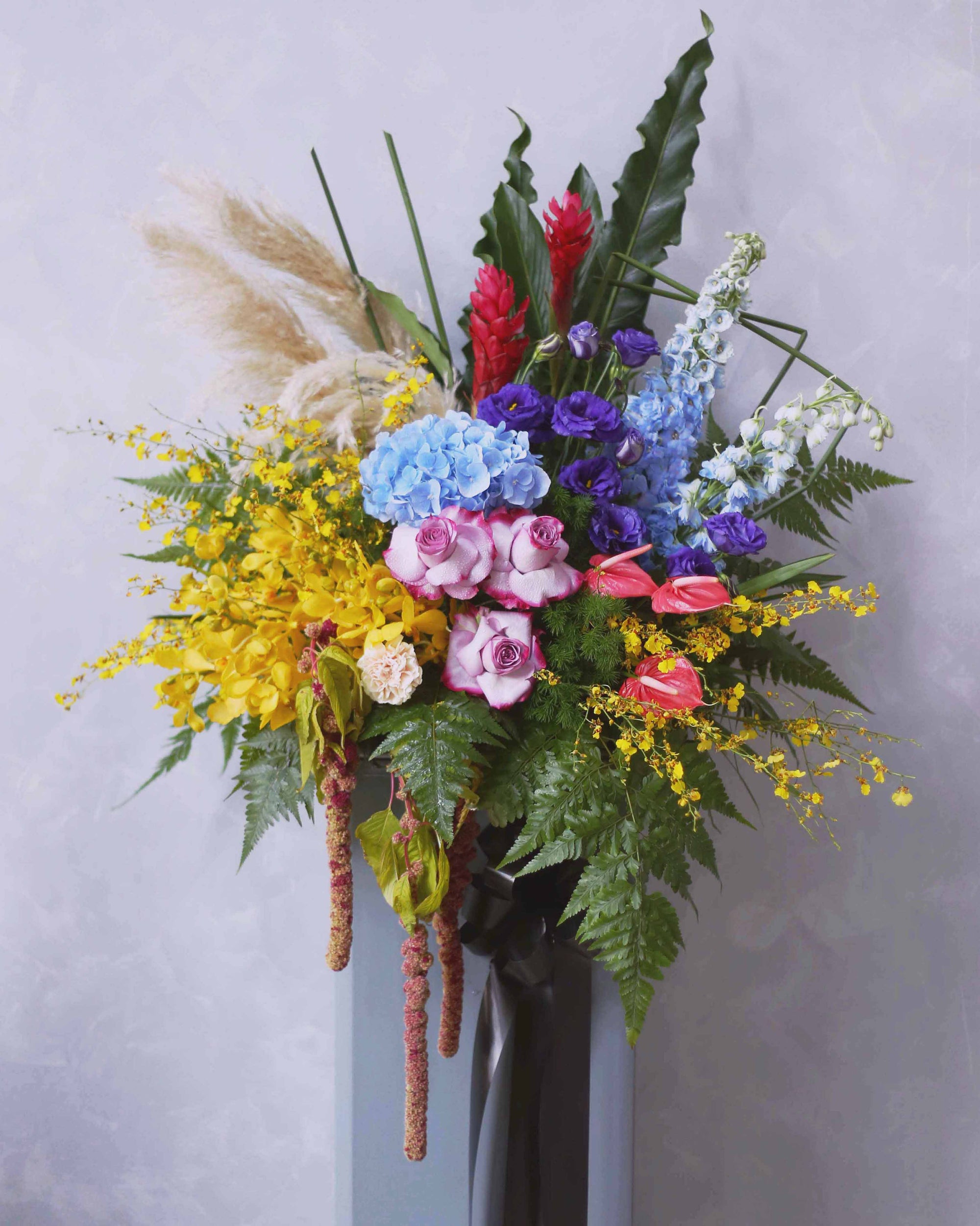


Flowers have always been admired for their beauty, fragrance, and the emotions they evoke. Whether given as a token of love, used to commemorate a special event, or enjoyed in the wild, flowers brighten our lives. One of the most delightful ways to preserve the beauty of flowers and keep those precious memories alive is through flower pressing.
This guide will walk you through everything you need to know, from how to do a flower press using different methods to creative ideas for your finished treasures. Whether you're a seasoned crafter or a curious beginner, you'll find all the steps you need to start pressing flowers today.
Why Press Flowers?

Before diving into the "how," it's worth considering the "why." Pressing flowers is more than just a craft; it's a way to capture the essence of a moment. Pressed fresh flowers can be used to make beautiful art, decorate cards and stationery, or even be framed as keepsakes. The process of pressing flowers also allows you to admire the intricate details of each bloom, from the delicate petals to the vibrant colours.
What You Will Need
To press flowers, you'll need a few basic supplies. Here's a list to get you started:
- Fresh Flowers: Choose flowers that are not too thick and have relatively flat blooms. Pansies, violets, daisies, and ferns work well.
- Absorbent Paper: Blotting, parchment, or coffee filters work well. Avoid using paper towels because they often leave imprints on the petals.
- Heavy Books: You'll need a couple of large, heavy books to apply pressure to the flowers.
- Cardboard: A cardboard will be used to create layers between the flowers.
- Scissors: For trimming the flowers and stems.
- Tweezers: For handling delicate petals.
Step-by-Step Guide To Pressing Flowers

Transform your favourite blooms into beautiful, lasting keepsakes with our easy and detailed step-by-step guide to pressing flowers.
1. Carefully Choose Your Fresh Flowers
Start by choosing the fresh flowers you want to press. It's best to pick them up in the morning after the dew evaporates, before the sun becomes too intense. This is when they are freshest and least likely to wilt.
2. Prepare The Flowers
Gently trim the stems of the flowers, leaving just enough to handle them easily. Remove any unwanted leaves or parts that you do not wish to press. If the flowers are too thick, you can split them in half to ensure they press flat.
3. Arrange The Flowers
Place the flowers between two sheets of absorbent paper. Arrange them carefully, ensuring they are not overlapping. If you want to press multiple flowers at once, create layers by placing cardboard between the sheets of paper and flowers.
4. Apply Pressure
Carefully place the layers of paper and flowers inside a heavy book. Place additional books or weights on top to apply even pressure. Ensure the pressure is distributed evenly to avoid warping or bending the flowers.
5. Wait Patiently
Pressing flowers requires patience. Leave the flowers undisturbed for at least two weeks. Waiting allows enough time for them to dry and retain their colour. Check on the flowers occasionally to ensure they are drying correctly and not developing mould.
6. Remove The Flowers
After the waiting period, carefully open the book and remove the layers of paper. Use tweezers to handle the pressed flowers gently. They will be delicate, so take care not to tear the petals.
Alternative Ways Of Pressing Flowers (Silica Gel & Microwave)
For those who want to experiment beyond traditional methods or are short on time, advanced techniques offer fantastic alternatives. These methods are perfect for preserving flowers that are typically difficult to press or for producing results in a fraction of the time.
Method 1: Using Silica Gel to Preserve 3D Shape
If your goal is to preserve the original, three-dimensional shape of a flower (like a rosebud or an orchid), silica gel is the perfect solution. It’s not a gel at all but a dry, sandy desiccant that expertly draws moisture out of the petals while keeping their form intact.
What You'll Need:
- Fine silica gel crystals (available at craft shops)
- An airtight container large enough to hold your flowers without squashing them
- Your chosen flowers (this method is excellent for roses, carnations, and lilies)
- A small, soft brush
Step-by-Step Instructions:
- Create a Base: Pour a layer of silica gel, about 2-3 cm deep, into the bottom of your airtight container.
- Position Your Flowers: Gently place the flowers on top of the gel base, ensuring they are upright and not touching each other.
- Gently Bury the Blooms: Using a spoon or your hands, carefully pour more silica gel around and over the flowers. Be meticulous, making sure the crystals get between all the petals to support the flower's natural shape. Continue until the flowers are completely buried.
- Seal and Wait: Secure the lid on the container to make it airtight. Store it in a safe, dry place for two to seven days, depending on the thickness of the flowers.
- The Reveal: After a few days, gently pour out the silica gel to reveal your preserved flowers. Use a soft brush to carefully dust off any remaining crystals. Your flowers will be dry, delicate, and beautifully three-dimensional.
Method 2: Microwave Pressing for Rapid Results
This technique is for the impatient crafter! Using a microwave, you can achieve perfectly pressed flowers in minutes rather than weeks. It requires a bit of care to avoid scorching, but the speed and colour retention can be outstanding.
What You'll Need:
- A microwave
- A microwave flower press (available commercially) OR two large ceramic tiles and two strong rubber bands
- Paper towels or coffee filters
- Flat-faced flowers
Step-by-Step Instructions:
- Assemble Your Press: Place a paper towel on one of the ceramic tiles. Arrange your flowers on the paper towel, ensuring they don’t overlap. Cover them with another paper towel and place the second ceramic tile on top.
- Secure the Press: Wrap the two rubber bands tightly around your tile "sandwich" to create pressure.
- Microwave in Short Bursts: Place the press in the microwave. Heat it on a low power setting for 30-60 seconds.
- Cool and Check: Remove the press from the microwave (be careful, it will be hot!) and let it cool completely for a few minutes. This cooling period is crucial, as it allows moisture to escape.
- Repeat if Necessary: Open the press to check the flowers. If they are not yet fully dry and papery, repeat the process with another short burst in the microwave.
- Final Drying: Once finished, your flowers will be vibrant and ready to use almost immediately.
Creative Uses For Pressed Flowers

Now that you have beautifully pressed flowers, you can use fresh flowers in a variety of creative ways:
1. Framed Art
Arranging pressed flowers in a frame creates stunning wall art. You can experiment with intricate designs or simple, elegant displays. The flowers' natural beauty adds a touch of sophistication to any room.
2. Handmade Cards
Add a personal twist to your greeting cards by decorating them with pressed flowers. They make perfect embellishments for wedding invitations, thank-you cards, and birthday wishes.
3. Bookmarks
Pressed flowers are laminated between transparent plastic sheets to create unique and thoughtful bookmarks. These bookmarks make lovely gifts for book lovers and are a beautiful way to keep your place in a favourite book.
4. Resin Jewellery
Pressed flowers are encapsulated in resin to create one-of-a-kind jewellery. These beautiful and meaningful pendants, earrings, and bracelets are made with pressed flowers.
Tips For Successful Flower Pressing

- Choose the Right Flowers: Not all flowers press well. Stick to flowers with flat faces and minimal moisture content.
- Avoid Sunlight: Keep your pressing setup away from direct sunlight, which can cause colours to fade.
- Use Fresh Flowers: The fresher the flower, the better it will press. Avoid using flowers that are already wilting.
- Be Patient: Rushing the process can result in incomplete drying and potential mould growth.
10 Best Flowers For Pressing
The ideal candidates are those with naturally flat faces and low moisture content, as they will dry more evenly and retain their colour more effectively. Here are the best options for you to try.
1. Daisy
This classic bloom, with its iconic white petals and sunny centre, flattens perfectly while preserving its shape. The daisy's simple elegance and single layer of thin petals ensure a straightforward pressing process. It brings a touch of rustic, countryside charm to any project.
2. Cosmos
Known for its delicate, almost translucent petals, the cosmos is a fantastic flower for pressing. It maintains its shape and colour wonderfully, creating an airy and graceful feel in botanical arrangements. Its fine-stemmed foliage can also be pressed to add extra detail.
3. Aster

The name 'Aster' comes from the Ancient Greek word for 'star', and its star-like shape is what makes it so special when pressed. Its dense, layered petals flatten into a beautiful, textured circle of colour. Asters are perfect for adding a burst of late-summer purple or pink to your creations.
4. Forget-Me-Not
These tiny flowers are true to their name, creating unforgettable specks of brilliant sky-blue in any piece. Due to their small size and delicate nature, they are perfect for crafting jewellery or detailed, miniature scenes. They press very quickly and retain their famous colour with ease.
5. Hydrangea
While a full hydrangea head is too dense to press, its individual florets are perfect for the task. By carefully snipping and pressing each tiny flower, you can capture their lovely, subtle colour gradients from pinks and blues to creamy whites. These small florets are wonderful for creating detailed mosaics or adding a soft texture.
6. Rose
Due to its dense layers of petals and high moisture content, a full rose is too bulky to press successfully. The best technique is to carefully press the individual petals, which will dry beautifully and capture their soft, velvety texture. You can then artfully arrange these petals to suggest the form of the original flower.
7. Peony
Much like a rose, the peony's lush, multi-layered bloom makes it impossible to press whole. By separating the large, delicate petals, you can preserve their romantic appeal and stunning colours. These individual petals are magnificent on their own and add a touch of luxury to any project.
8. Lily

The main challenge when pressing lilies is the prominent pistil and stamens, which are full of pollen that can easily stain the petals. To achieve a clean result, carefully remove these central parts with tweezers before pressing. This not only prevents a mess but also helps the large flower to lie much flatter.
9. Daffodil
The distinct trumpet shape in the centre of a daffodil makes it very difficult to flatten. The most successful approach is to press the entire flower in profile to capture its iconic silhouette. Alternatively, you can dissect it and press the outer petals and the trumpet separately.
10. Tulip
Because of its cupped, three-dimensional shape, a tulip will not flatten well if pressed whole. The best method is to press its colourful petals individually. Tulip petals are known for their elegant shape and solid, vibrant hues, which look stunning when arranged in a pattern.
Conclusion About How To Press A Flower
Pressing flowers is a timeless craft that preserves nature's fleeting beauty. With patience and creativity, you can create lasting keepsakes that capture the essence of your favourite blooms.
Whether framing them as art, using them in handmade cards, or learning how to make a flower press for more ambitious projects, this craft adds a hint of elegance and nostalgia. So gather your supplies, pick your favourite flowers, and start pressing. The results will be well worth it.
Ready to start your flower-pressing journey? Visit Windflower Florist for all your floral supplies and flower delivery in Singapore. Discover our wide range of fresh hand bouquets and tips to help you create beautiful pressed flower keepsakes.
Start preserving nature's beauty with Windflower Florist today!

Looking for Long-Lasting Flowers?
Our preserved and dried flower arrangements last 1–3 years. Perfect for home decor or a lasting gift. Free delivery across Singapore.
Browse Preserved Flowers →Frequently Asked Questions About How To Press A Flower
How Long Does It Take To Press A Flower?
Pressing flowers typically takes about two to three weeks, ensuring they are dehydrated and retain their colours without developing mould.
Can I Press Flowers Using A Microwave?
Yes, you can press flowers using a microwave. Place the fresh flowers between two sheets of absorbent paper and press them using a microwave-safe weight. Microwave in 10-30 seconds short bursts, checking the flowers frequently until dry.
What Should I Do If My Pressed Flowers Turn Brown?
If your pressed flowers turn brown, it might be due to excess moisture or improper pressing techniques. Ensure you use absorbent paper and apply even pressure. Also, ensure the flowers are not overlapping and have enough ventilation to dry correctly.
Can I Press Flowers With Leaves Attached?
Yes, you can press flowers with leaves attached. Just ensure that the leaves are flat and not too thick. Leaves can add an interesting texture and contrast to your pressed flower projects.


