


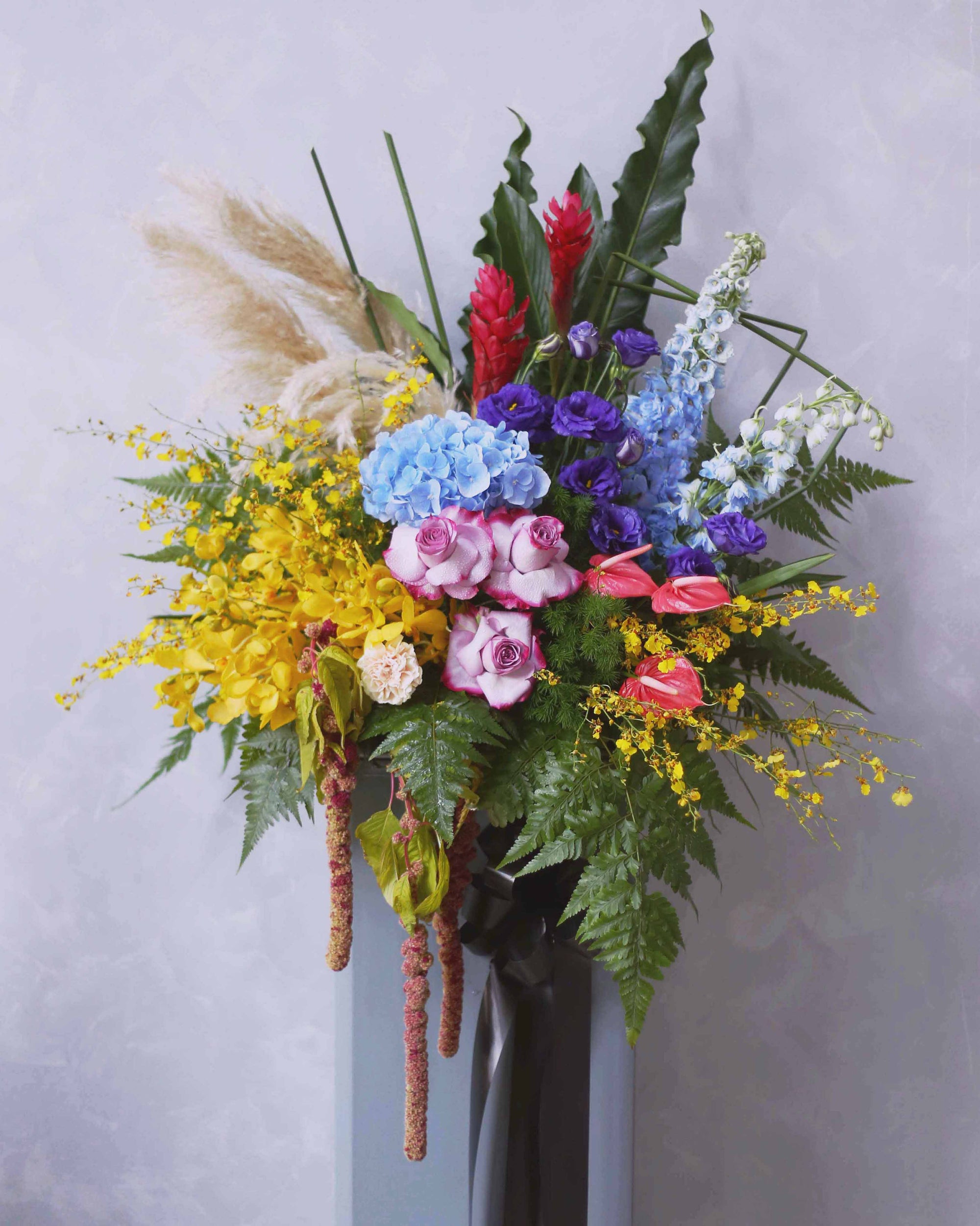


Deciding between preserved and fresh flowers can be a delightful dilemma. Whether you're choosing a bouquet for a loved one or decorating your home, understanding the unique qualities of each is key.
This guide will walk you through the essential differences, helping you make the perfect choice when considering preserved vs fresh flowers in Singapore.
1. Longevity

One of the most significant differences between fresh flowers and preserved flowers is their lifespan. As their name suggests, fresh flowers are freshly cut and alive, and they will begin to wilt and die within a few days to a week.
Preserved flowers, on the other hand, have undergone a unique treatment process that helps them maintain their appearance and texture for an extended period.
Fresh flowers require consistent maintenance, which includes pruning and changing the water in the vase regularly to keep them looking fresh and lively. However, even with proper care, their lifespan is limited.
In contrast, preserved flowers can last months or years with minimal care and maintenance, making them a better option for sustainability.
Preserved flowers are typically treated with a solution that replaces the natural moisture in the plant with a glycerin-based mixture, keeping their shape and colour. This treatment method also ensures that the flowers maintain their softness and delicate texture, making them a popular choice for special occasions and events where longevity is essential.
2. Appearance
When it comes to key differences, preserved flowers vs fresh flowers vary in appearance. Freshly cut flowers have a natural, vibrant appearance, and their colours and scents are at their peak.
However, as they age, they lose their freshness, wilt, and may even develop an unpleasant odour.
On the other hand, a preserved flower has been treated to maintain a natural appearance for extended periods. Unlike natural flowers, they receive moisture through a solution that maintains their colours, texture, and shape.
Preserved flowers can come in various colours, shapes, and sizes, similar to fresh flowers. It's not uncommon to find preserved roses, hydrangeas, peonies, etc.
Unlike fresh-cut flowers, they can easily be modified to create unique bouquet arrangements and designs. The extensive level of customisation makes them an ideal option to use as gift bouquets or decorative centrepieces.
If you prefer a more natural appearance, opt for fresh flowers instead. Their natural fragrance enhances their authentic appearance, and the absence of chemical treatments makes them a more environmentally friendly option.
3. Maintenance And Care
As previously mentioned, fresh flowers could only last up to a week and a half. Fresh-cut flowers can wilt faster because they're not receiving enough nutrients, as they would if they remained in the soil or another substrate.
This means that fresh flowers require harder environmental conditions than preserved ones. Changing the water in the vase frequently and ensuring a cool temperature must be maintained to avoid accelerated wilting and decay.
Meanwhile, preserved flowers require minimal maintenance and care. Once treated, they can last for months or years without watering or pruning. They're an excellent choice for those who want to enjoy the beauty of flowers without the hassle of regular maintenance.
Many, however, prefer fresh flower bouquets over preserved ones. They make perfect, meaningful gifts for Valentine's, Mother's Day, or any occasion.
4. Environmental-Friendliness
No matter the choice, fresh or preserved flowers have different environmental impacts. Non-locally grown fresh flowers require a significant amount of energy to be transported. This can contribute to high greenhouse gas emissions and air pollution.
Additionally, using pesticides and fertilisers in the growing process can negatively impact soil and water quality.
Meanwhile, preserved flowers are considered more environmentally friendly. They do not require ongoing energy consumption or the use of pesticides or fertilisers.
But there are environmental drawbacks to preserved flowers, too. Preserving flowers generally involves using chemicals like glycerin-based solutions, silica gel, dyes, fungicides, formaldehyde, and other treatments.
5. Cost

The price of preserved flowers vs fresh flowers is affected by several factors. For instance, fresh flowers not grown locally can be pricier due to transport costs. They also need frequent maintenance and care.
Seasonality and availability can also affect the price of fresh flowers. It's common to find fresh flowers much more expensive during certain times of the year.
As for preserved flowers, they are more cost-effective in the long run. The price of preserved flower arrangements (e.g bouquets and domes) may be higher at times, but they have a better value over time because they do not require regular care.
Unlike fresh flowers, preserved ones are not affected by seasonality. And this suggests you can buy your favourite preserved buds all year round without significant price changes.
Ultimately, the price difference between preserved/dried flowers vs fresh flowers depends on type, seasonality, and desired aesthetic.
Those on a budget may find preserved flowers a more cost-effective option in the long run, while those seeking the natural beauty and fragrance of fresh flowers may be willing to pay more for the experience.
6. Allergens
Freshly-cut flowers can trigger pollen allergies in some individuals. This especially applies to wind-pollinated flowers like daisies.
If you are unsure if your recipient has an allergy when sending flowers, opt for preserved flowers. Through treatment, their pollen is removed, making them a suitable option even for individuals with allergies to real flowers.
However, do take note that preserved flowers can still contain allergens like mould or dust. Some people may also experience adverse reactions to the chemicals used in treating preserved flowers, especially those with respiratory problems.
7. Handling And Storage

Handling and storing fresh and preserved flowers require different approaches due to their unique characteristics.
Fresh flowers are delicate and require careful handling to avoid wilting and damage. They should also be stored in a cool area, away from direct sunlight, heavy wind gusts, and heat sources to prevent wilting and fading.
In contrast, preserved flowers are already dried and have undergone a preservation process that makes them more durable. However, it is advisable to avoid humid areas and environments. Moisture can cause preserved flowers to wilt or become mouldy, so it is recommended to keep them in a dry area.
When Should You Choose Preserved Flowers?
Preserved flowers are the perfect choice when longevity and ease are your top priorities. Their enduring beauty makes them ideal for specific situations where fresh flowers might not be practical.
- For a Lasting Gift: Imagine gifting a bouquet that doesn't wilt a week after the celebration. Preserved flowers serve as a beautiful, long-lasting reminder of a special moment, such as an anniversary, graduation, or milestone birthday. They symbolise enduring affection, allowing the recipient to cherish the sentiment for months or even years.
- For Effortless Home Décor: If you love the look of flowers in your home but lack the time for regular upkeep, preserved arrangements are a game-changer. They provide a consistent touch of elegance to any space—whether it's a coffee table, a bookshelf, or a home office—without the need for watering, trimming, or replacement. It's a simple way to keep your home looking vibrant all year round.
- For Allergy Sufferers: Hay fever or pollen allergies can make fresh flowers an unwelcome guest for many. Since the preservation process removes all pollen, preserved flowers are completely hypoallergenic. This makes them a thoughtful and inclusive gift, allowing everyone to enjoy the beauty of real flowers without any sneezing or irritation.
When Should You Choose Fresh Flowers?
The classic charm of fresh flowers is undeniable. Their ephemeral nature is part of their appeal, making them ideal for occasions that require an immediate impact and sensory delight.
- For Traditional Romance and Gestures: There is nothing quite like receiving a bouquet of fragrant, fresh roses. The classic beauty, vibrant colours, and enchanting scent of fresh flowers create a powerful and immediate emotional impact. They are the quintessential choice for romantic gestures, apologies, or expressions of sympathy where tradition and sensory experience are paramount.
- For High-Impact Events and Celebrations: For a single-day event like a wedding, corporate function, or significant party, fresh flowers are unmatched. They create a luxurious and celebratory atmosphere with their natural vibrancy and fragrance. Their purpose is to elevate the ambience and create a memorable, beautiful setting for that specific day.
- To Experience Nature's Scent: If the fragrance of a bloom is just as important to you as its appearance, fresh flowers are the only choice. The natural scent of lilies, roses, or freesias can fill a room, boost your mood, and create a deep connection to nature that preserved flowers simply cannot replicate.
The Advantages and Disadvantages of Fresh Flowers

Advantages
- Natural Fragrance: They offer a genuine, beautiful scent that can enhance the atmosphere of any room.
- Vibrant Appearance: The colours of fresh-cut flowers have a natural depth and vibrancy that is hard to replicate.
- Emotional Impact: Giving or receiving fresh flowers is a powerful, traditional gesture steeped in symbolism and sentiment.
- Lower Initial Cost: A single bouquet of fresh flowers is typically more affordable upfront than a preserved arrangement.
Disadvantages
- Short Lifespan: Most fresh flowers will only last approximately one week, even with proper care.
- High Maintenance: They require regular watering, stem trimming, and removal of wilted leaves to maintain their best appearance.
- Can Trigger Allergies: The pollen in fresh flowers can cause significant discomfort for people with hay fever or allergies.
- Seasonal Availability: Your favourite flower may not be available or could be very expensive depending on the time of year.
The Advantages and Disadvantages of Preserved Flowers
Advantages
- Exceptional Longevity: They maintain their beauty for over a year, and sometimes much longer, making them a lasting keepsake.
- Low Maintenance: They require no water or daily care, only occasional light dusting and protection from direct sunlight and humidity.
- Allergy-Friendly: Being 100% pollen-free, they are a safe choice for everyone.
- Cost-Effective Over Time: While the initial cost is higher, their long lifespan means you don't need to buy replacements, saving money in the long run.
Disadvantages
- Higher Upfront Cost: The specialised preservation process makes them more expensive to purchase initially.
- No Natural Scent: The preservation process removes the flower's natural fragrance.
- Delicate Nature: Preserved petals can be brittle and may be damaged by rough handling, direct sunlight, or moisture.
- Limited Texture: While they look real, the feel can be slightly different from that of a fresh, soft petal.
Conclusion About Fresh Vs Preserved Flowers
There you have it: The differences between fresh and preserved flowers. Depending on your preference, each choice is great as a gift for special occasions or to add a touch of nature to your space.
Windflower Florist is the perfect place to shop if you're looking for a wide selection of fresh and preserved flowers. We have a vast selection of stunning flower arrangements to suit every taste and occasion.
We also offer same-day flower delivery in Singapore, so you can enjoy beautiful flower arrangements without leaving the comforts of your home or office.

Frequently Asked Questions About Fresh Vs Preserved Flowers
What's The Difference Between Preserved And Dried Flowers?
The method of preservation is a crucial difference between preserved vs fresh flowers. Preserved blooms are treated with a special chemical solution to replace the sap and moisture in the petals. Meanwhile, dried flowers are left to air-dry over time.
Can Preserved Flowers Be Arranged In The Same Way As Fresh Ones?
Yes. They can be arranged in bouquets, centrepieces, and other floral arrangements to create stunning displays lasting for months or even years. However, it's important to remember that preserved flowers may have a different texture or appearance than fresh flowers, so the arrangement may need to be adjusted accordingly.
Can Preserved Flowers Be Rehydrated Like Fresh Flowers?
While preserved flowers may still look beautiful, they should not be treated like fresh flowers and should not be placed in water or misted to try and rehydrate them.
Do Preserved Flowers Have A Scent Like Fresh Flowers?
Preserved flowers may have a faint scent, but they typically lack the strong and distinctive fragrance of fresh flowers. The preservation process can alter the scent of the flowers, and some preserved flowers may lose their scent altogether. If you're looking for the aroma of fresh flowers, it's best to choose fresh flowers rather than preserved ones.
